
The Royal Roots of Piedmontese Cuisine
Words by Ruba
October 2025
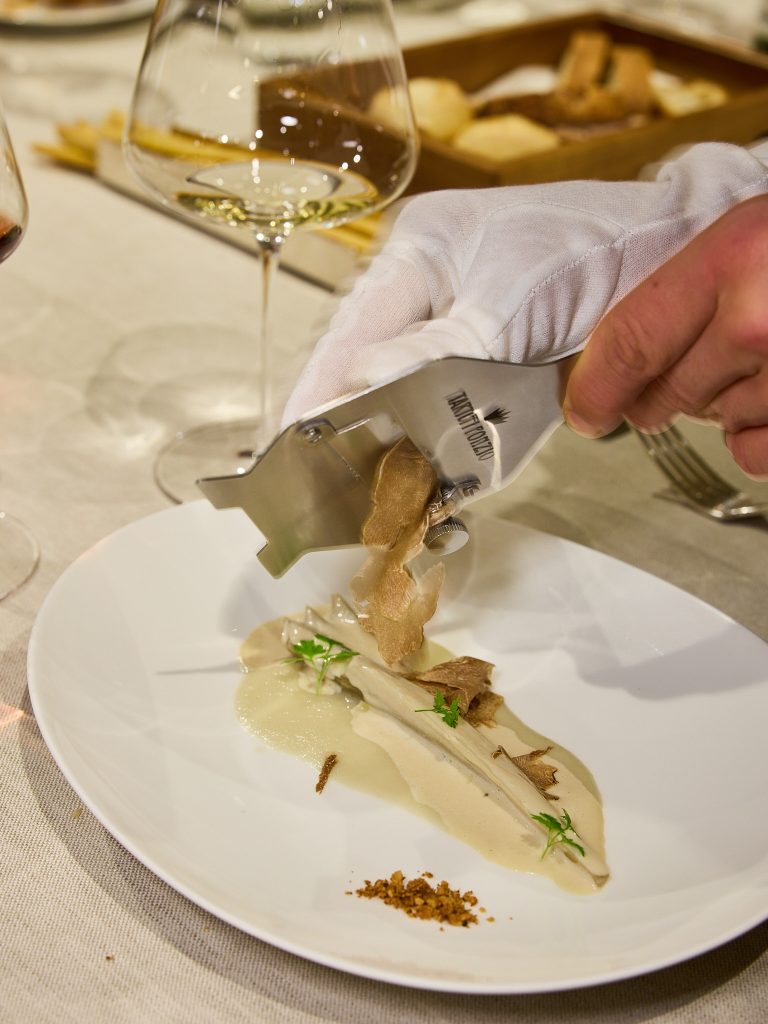
Nestled into Italy’s northwestern corner, Piedmont is a region where culinary sophistication meets royal heritage. While its celebrated wines, rare Alba white truffles, distinguished confectionery craft, and dishes like vitello tonnato have earned global acclaim, it was the House of Savoy that refined these local traditions into a cuisine worthy of kings. As great patrons of art, culture, and gastronomy, the Savoy dynasty imported a culinary sensibility shaped by French influence, favouring elaborate preparations, codified recipes, and a reverence for premium local ingredients.
The result was a cuisine both elegant and restrained, still palpable today in every truffle shaving and Barolo pour. The imprint of the Savoy dynasty extended far beyond palaces and politics. It reached deep into kitchens, vineyards, and cafés, shaping not only what Piedmontese people ate, but how they understood food itself.
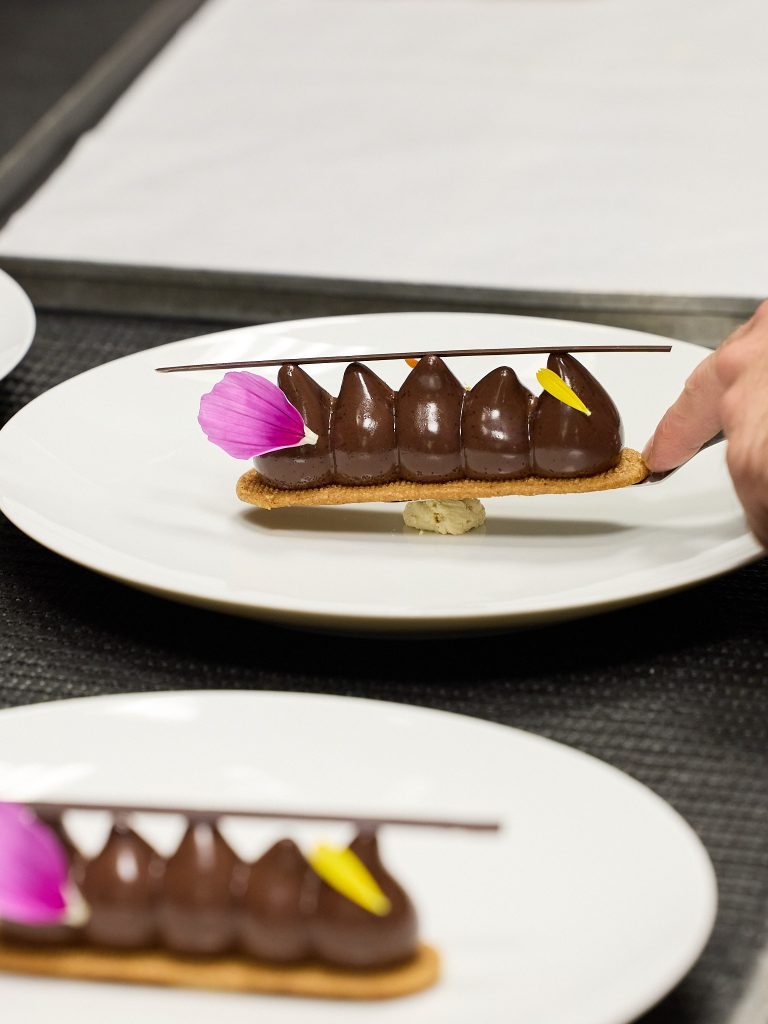
The House of Savoy rose to prominence in the late Middle Ages, gradually expanding its influence across alpine territories straddling present-day Italy and France. By the sixteenth century, the dynasty had established itself as a significant European ruling house, fluent in both Italian and French culture. This dual identity would become one of Piedmont’s defining traits.
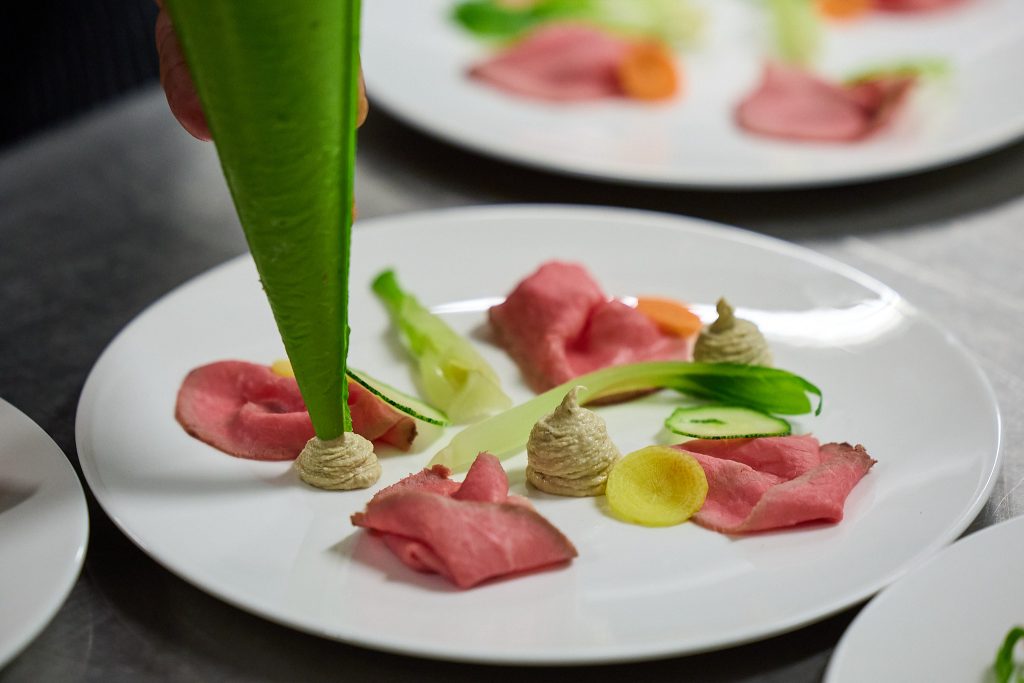
When the Savoy court established Turin as its capital in the mid-sixteenth century, it also imported the rituals and expectations of aristocratic dining. French chefs were brought into royal kitchens, where they codified local recipes into formal court cuisine. Sauces became more refined. Service grew more ritualized. Presentation became more deliberate. Court dining followed a new discipline, one that prized refinement, consistency, and presentation.
Courtly kitchens did not erase local foodways. They elevated them. Piedmontese ingredients – meats, butter, cheeses, wines – were filtered through an aristocratic lens. In contrast to the rustic, improvisational traditions found elsewhere in Italy, Piedmontese cuisine became structured, controlled, and quietly luxurious.
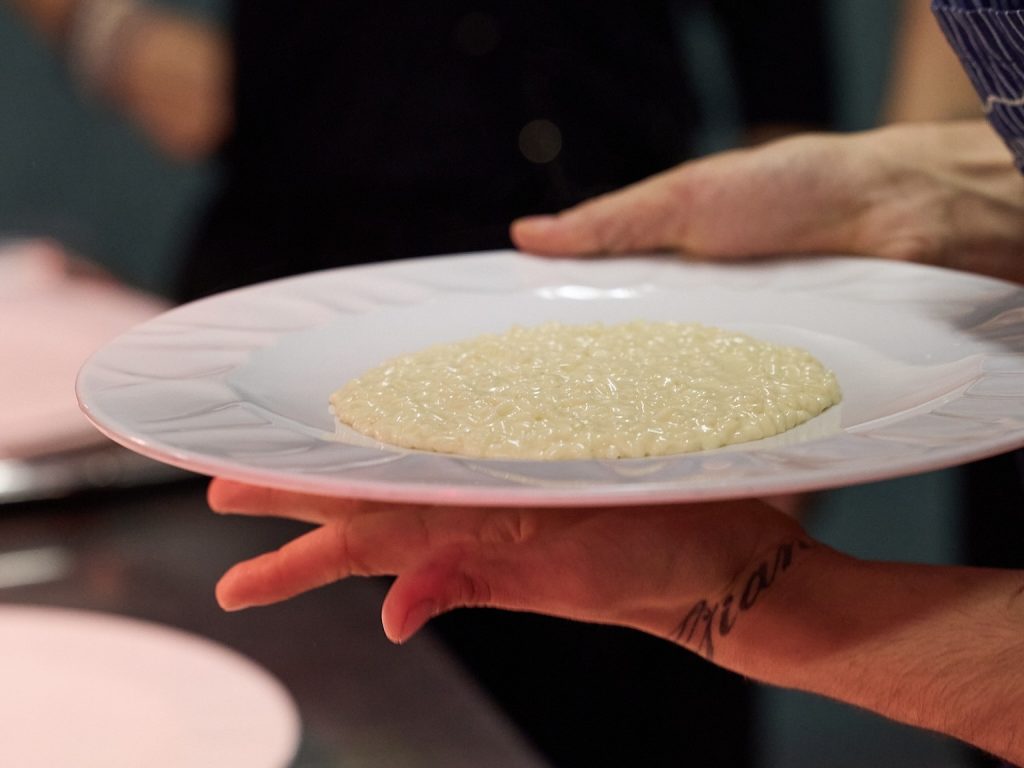
One of the clearest expressions of this French influence was fat itself. While much of Italy remained anchored to olive oil, Piedmontese kitchens, particularly those of the Savoy court, embraced butter as their culinary foundation. Butter enabled refined sauces and the delicate textures prized by Savoy chefs. Its adoption marked a decisive departure from the olive oil traditions that defined much of southern Italy, and it remains one of the most immediate ways Piedmontese cuisine signals its northern, courtly sensibility.
Nowhere was this sensibility more visible in daily life than in Turin itself. Under Savoy patronage, the city emerged as an epicentre of café culture, chocolate artistry, and confectionery craft, traditions that still shape the fabric of the city today.
Turin’s relationship with chocolate dates back to the mid-sixteenth century, when Duke Emanuele Filiberto returned from Spain with cocoa beans acquired through Spanish exploration in the Americas. At celebrations honouring Turin as the new capital of the Savoy state, he famously served hot chocolate to his guests. What began as an elite indulgence quickly captured the city’s imagination.
Master chocolatiers began experimenting, refining technique, and developing new recipes, laying the groundwork for Turin’s enduring reputation as Italy’s chocolate capital. Walking through the city today remains intoxicating. Historic cafés glow with gilt mirrors and marble counters, their Belle Époque interiors preserved with remarkable continuity. Institutions such as Baratti & Milano, which served as an official purveyor to the House of Savoy, embody this legacy. Meanwhile, the Associazione dei Locali Storici di Torino works to preserve and protect these cafés as places still lived in and used.
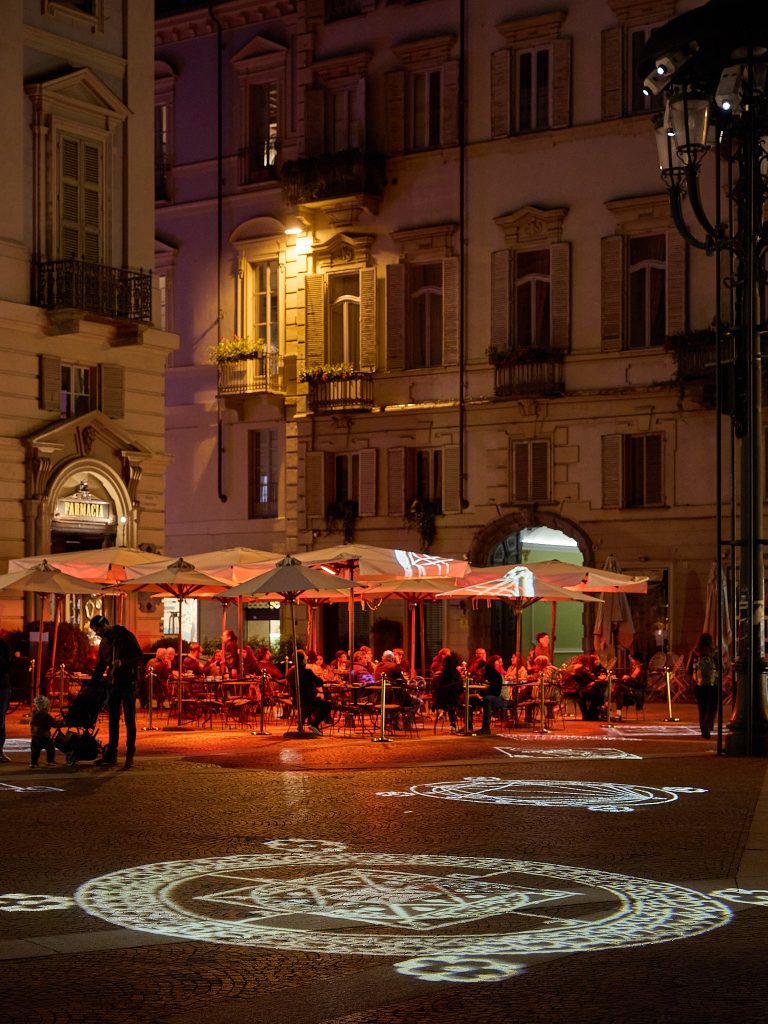
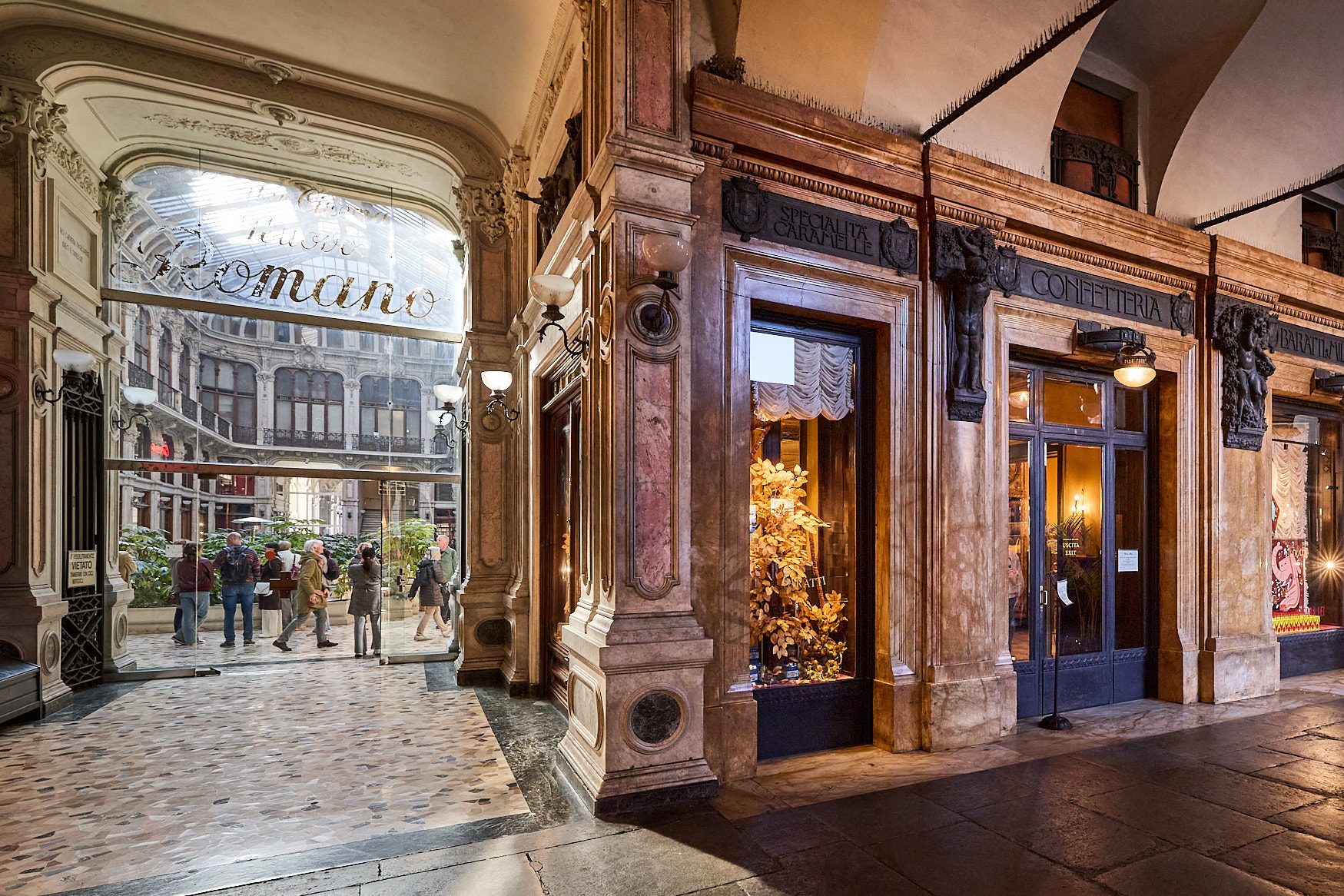
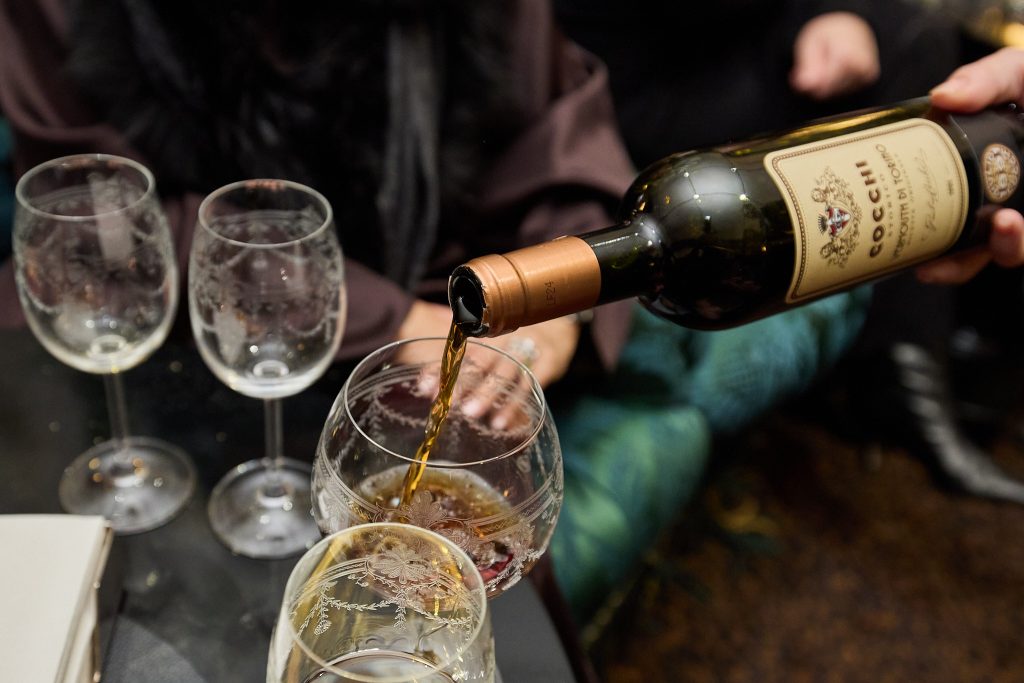
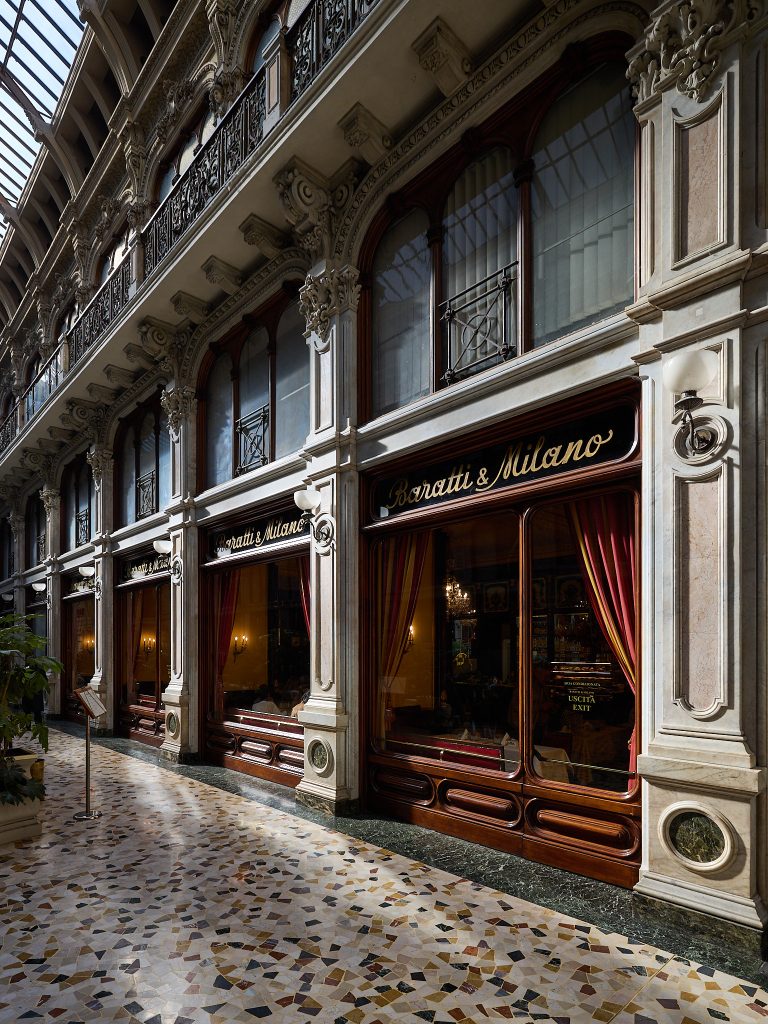
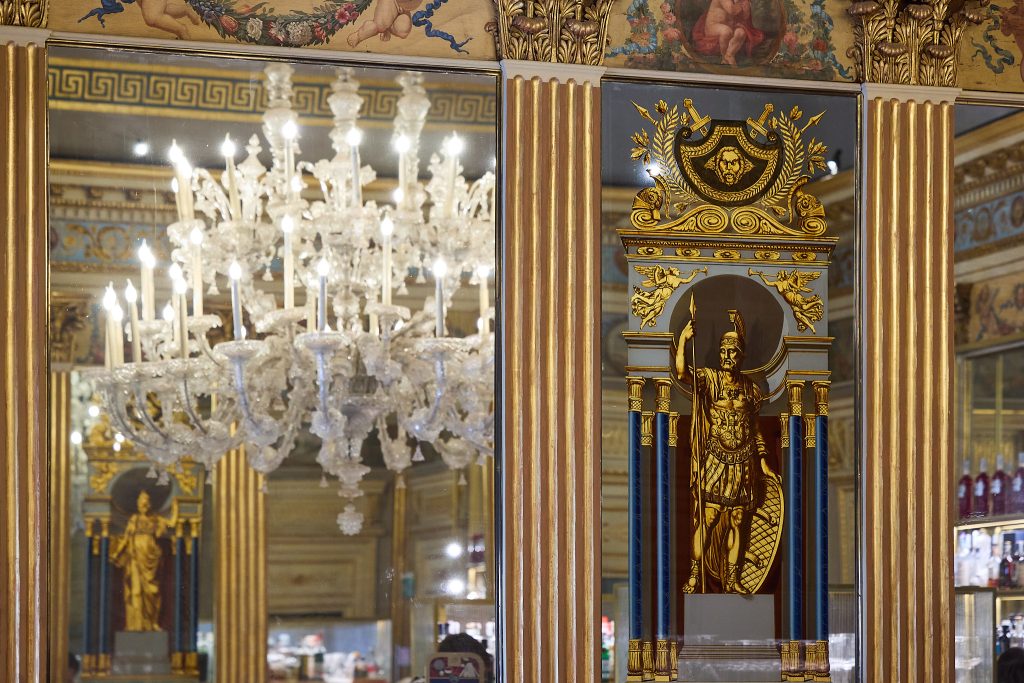
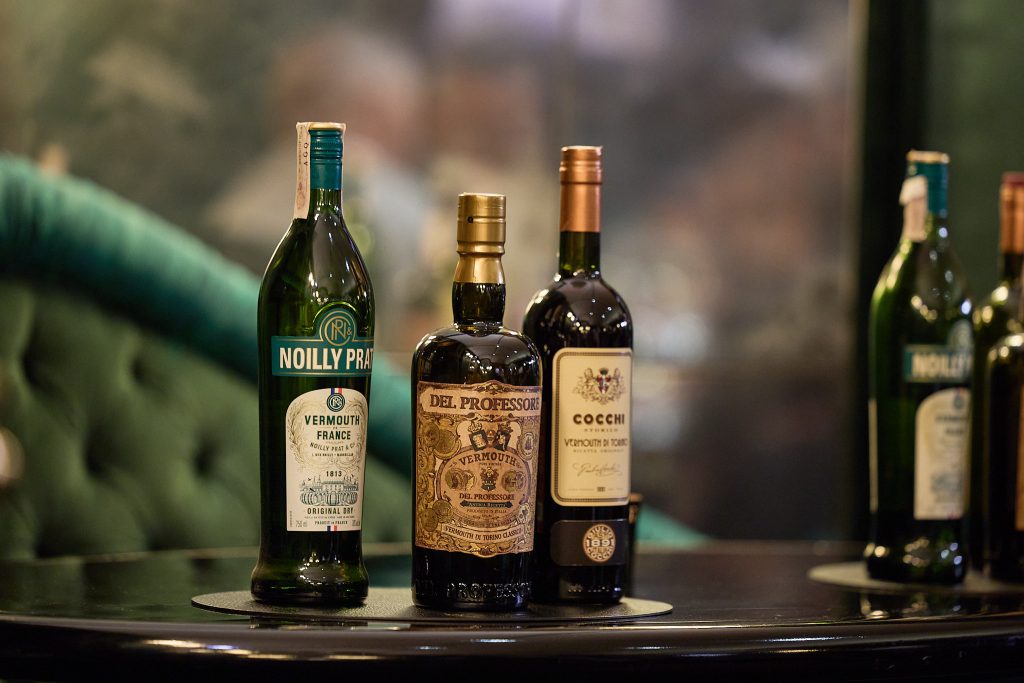
These cafés were defined not only by their interiors, but by the rituals that unfolded within them. In 1786, Turin herbalist and distiller Antonio Benedetto Carpano created the first palatable vermouth. What began as an herbal tonic quickly became a fashionable social drink, instrumental in shaping Turin’s café culture. Its immediate success and royal endorsement by the House of Savoy helped establish Turin as the world capital of vermouth and cemented its place at café tables across the city.
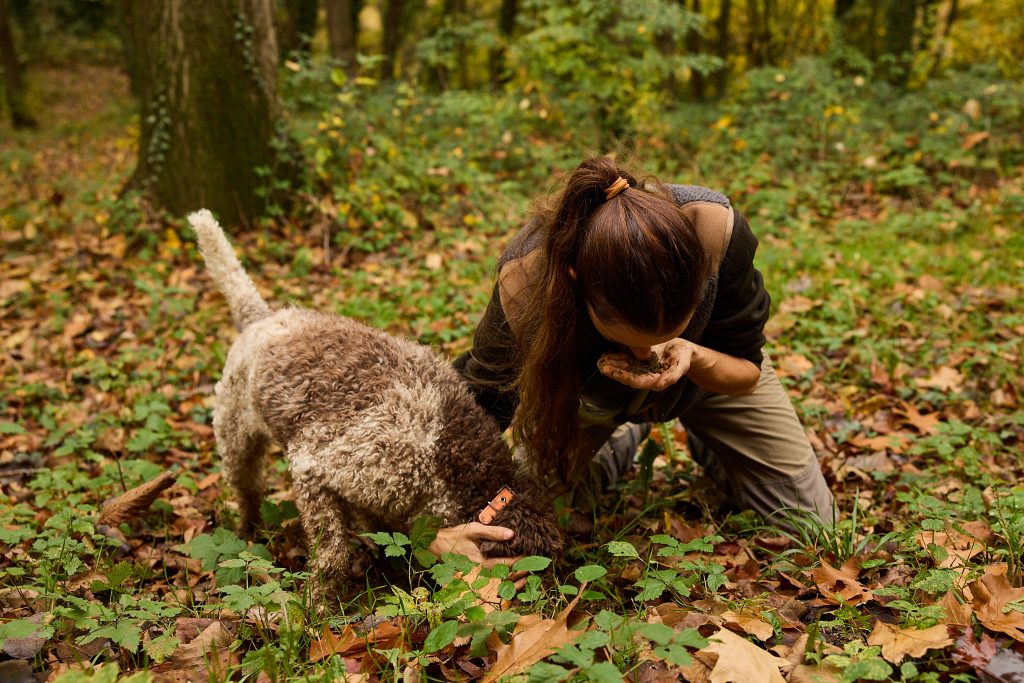
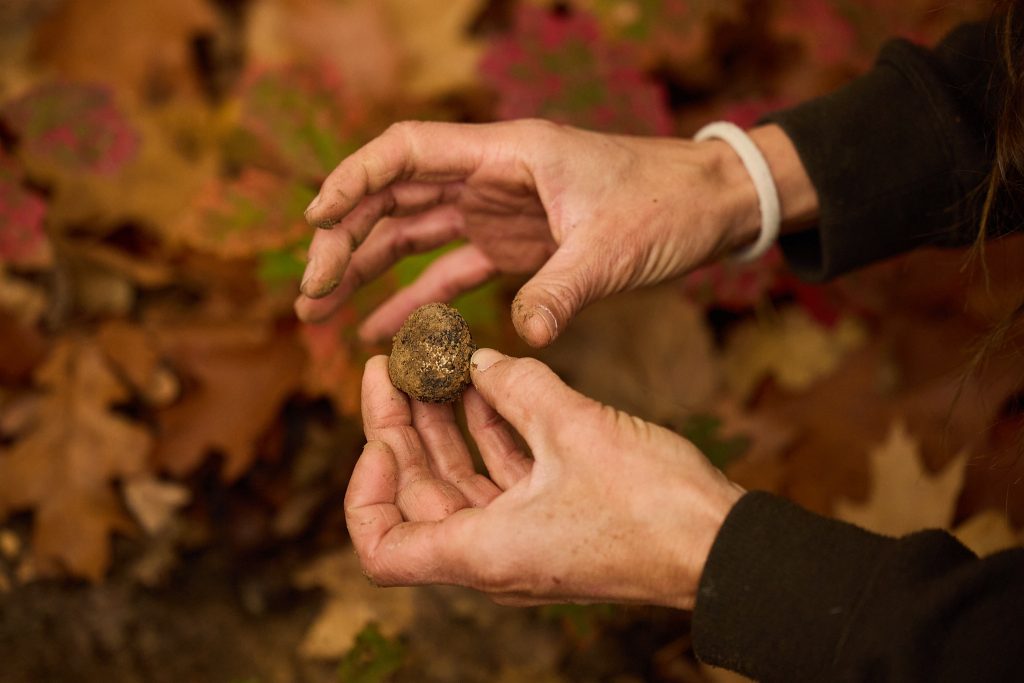
While Savoy influence was most visible in court kitchens and in the cafés of Turin, its effects reached far into the countryside. Royal kitchens depended on a steady supply of exceptional ingredients, and this demand elevated standards among farmers, cheesemakers, truffle hunters, and wine producers across Piedmont. Excellence was expected. Quality, continuity, and provenance became defining values, passed down through generations. This legacy is evident today in Piedmont’s extraordinary concentration of DOP protected products, which reflect an exacting attention to detail.
It is no coincidence that Piedmont would later become the birthplace of the Slow Food movement. The Savoy ethos, with its reverence for craft, respect for raw materials, and uncompromising commitment to quality, created fertile ground for a philosophy that treats tradition, sustainability, and taste as cultural heritage.
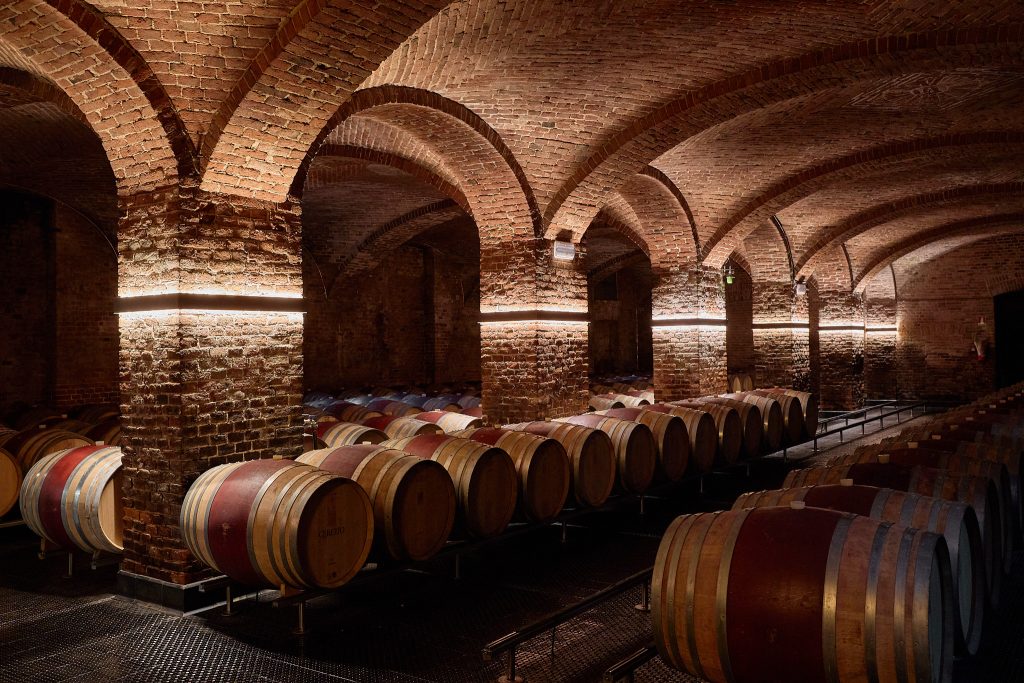
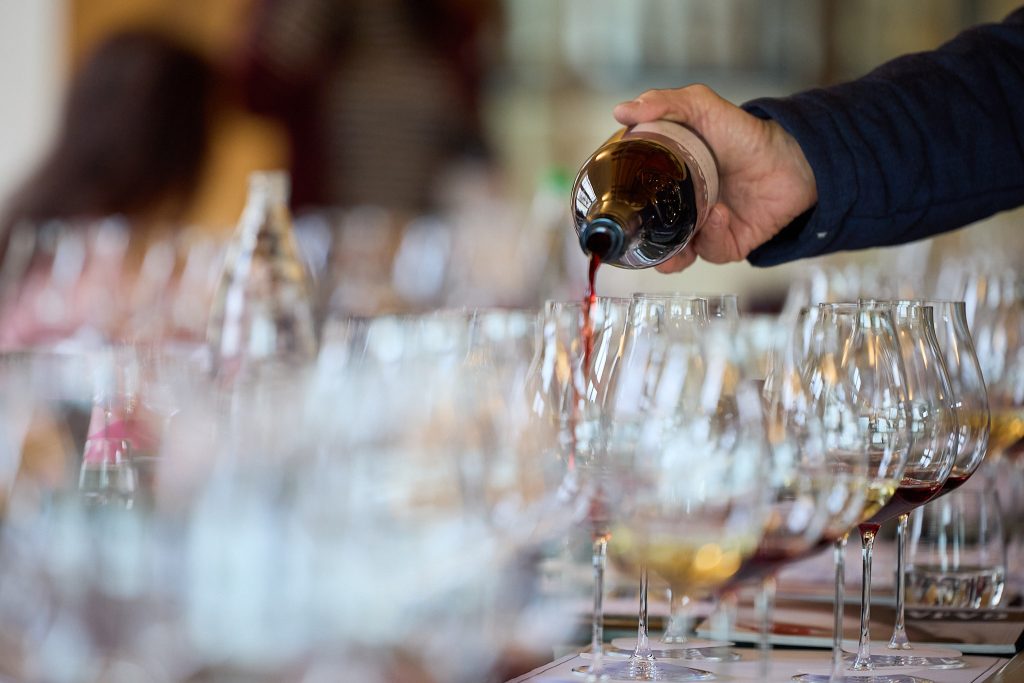
These values found one of their most enduring expressions in wine. Barolo’s rise was closely tied to the tastes and patronage of Savoy nobility. In the early nineteenth century, producers such as Marchesi di Barolo refined Nebbiolo into a structured, age worthy wine suited to court dining and long cellaring. Favoured at court, Barolo came to embody the qualities prized by Piedmont’s ruling class: restraint, longevity, and structure. In the twentieth century, producers such as Gaja carried this legacy forward, applying modern technique while preserving the discipline and structure that had long defined Piedmont’s great wines.
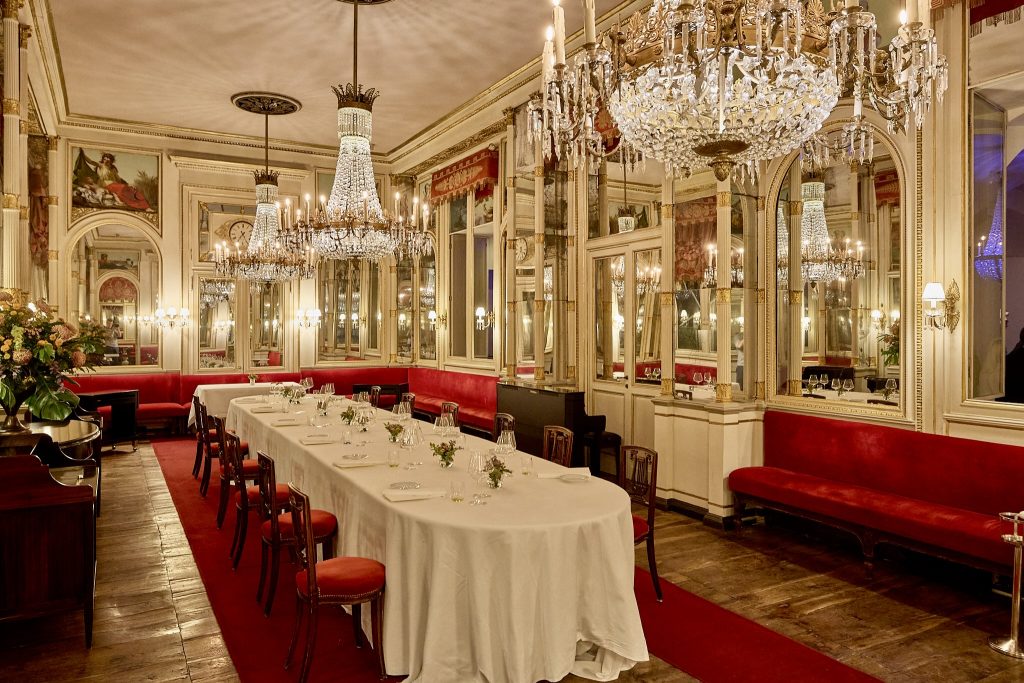
Modern Piedmontese cuisine continues to carry this inheritance forward. Contemporary chefs in Turin and Alba reinterpret historical influences with restraint and intelligence, blending innovation with deep respect for tradition. Restaurants such as Del Cambio, long associated with political and aristocratic life, maintain a direct connection to formal dining, while kitchens like Piazza Duomo translate Piedmont’s aristocratic DNA into a modern culinary language that is measured, inventive, and seasonal.
Piedmont’s cuisine remains both deeply local and quietly aristocratic. Shaped under the influence of the House of Savoy, its values of elegance, discipline, and reverence for craft continue to guide how food is grown, prepared, and valued across the region. What once defined courtly taste has endured not as display, but as a shared cultural standard, woven into everyday Piedmontese life.