
The Rich Heritage of the Chettiars
Words by Ruba
January 2025
While the cuisine of Tamil Nadu is rooted in staple ingredients such as rice, lentils, coconut, tamarind, and chilli, this southernmost Indian state is home to a remarkable diversity of regional traditions that treat these essentials in distinct ways. Among them, Chettinad cuisine is the most renowned. It originated with the Nattukottai Chettiars, a prosperous merchant community who migrated inland in the 13th century and established a settlement around Karaikudi, an area that would come to be known as Chettinad. Their extensive travels across Southeast Asia introduced them to ingredients such as Malabar Tellicherry pepper, Ceylon cardamom, Madagascar cloves, Vietnamese galangal, Indonesian nutmeg, and Burmese black rice, which they seamlessly wove into the fabric of Tamil cooking.
Chettinad cuisine is celebrated for its aromatic, layered flavours and its signature Chettinadu masala, a freshly ground blend of fenugreek, star anise, fennel seeds, cinnamon, nutmeg, cloves, cumin, peppercorns, and kalpasi. These spices are complemented by generous use of onions, tomatoes, coconut, ginger, and garlic, forming a cuisine that is both bold and deeply nuanced.
As part of a nine-day culinary journey through Tamil Nadu, Cin Cin spent three nights in Chettinad. Joining the group was Sumeet Nair, chef and co-author of The Bangala Table: Flavours and Recipes from Chettinad, whose insights provided a rich cultural and historical narrative that deepened the group’s understanding of Chettinad cuisine beyond just the flavours and recipes.
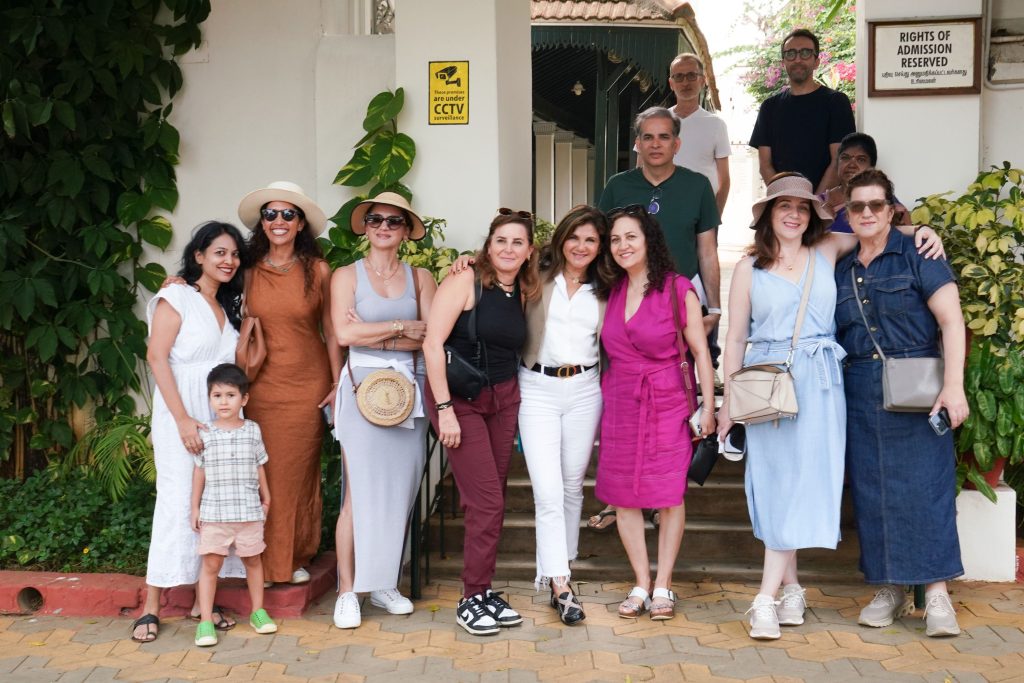
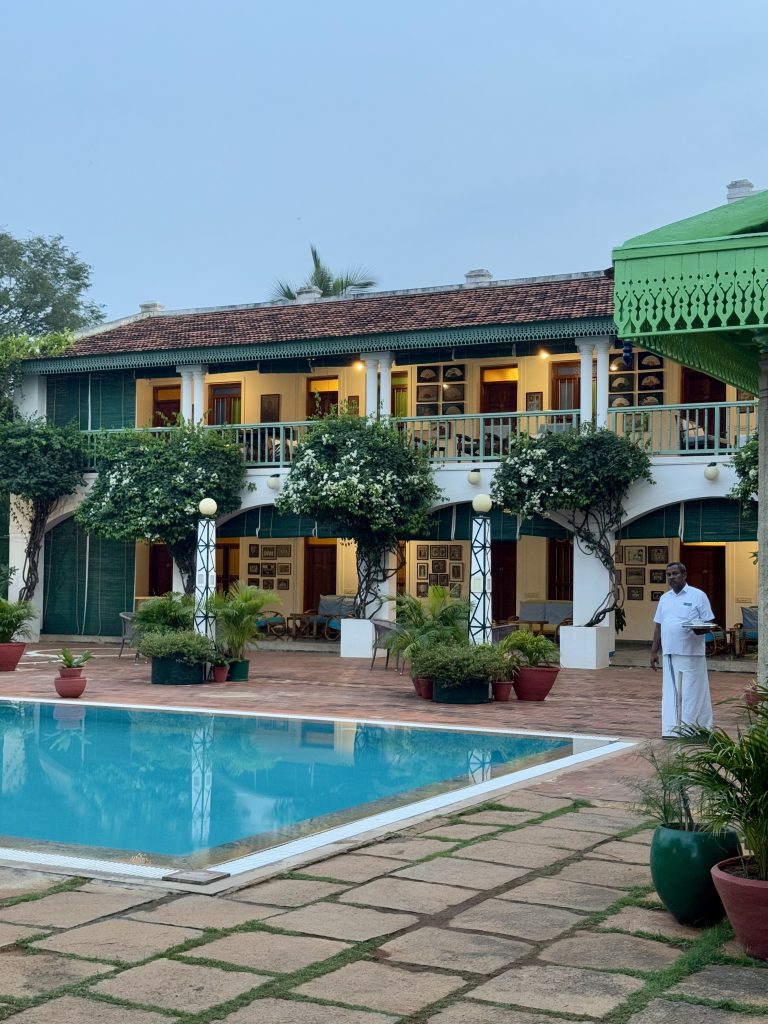
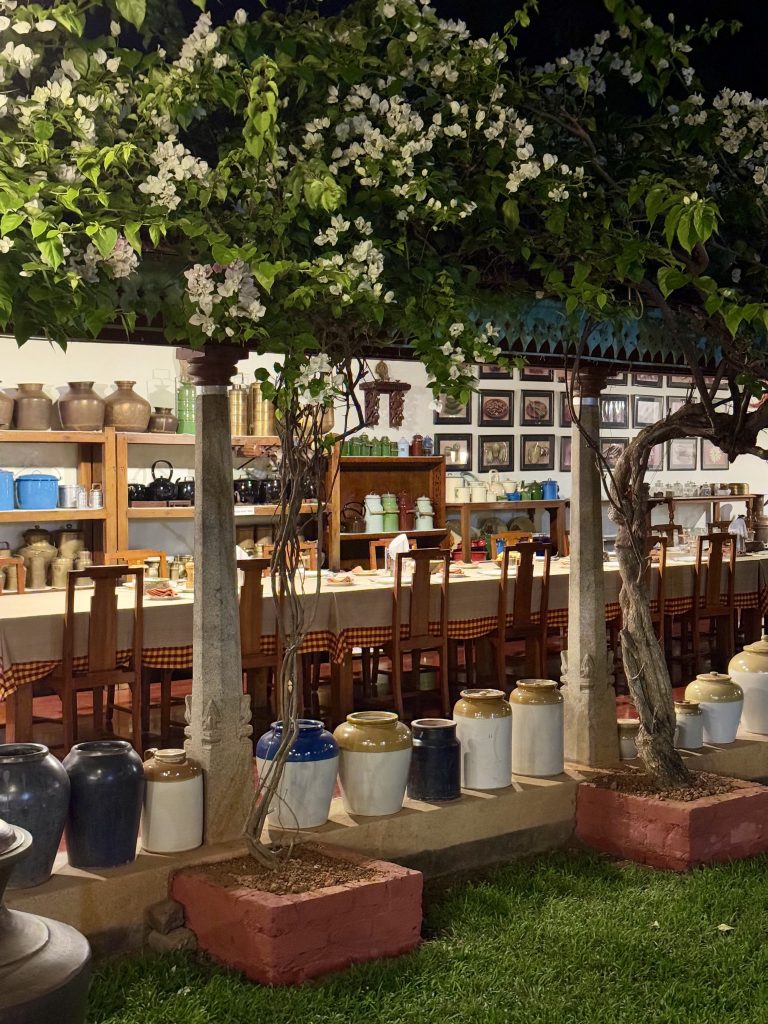
Guests stayed at The Bangala, a heritage boutique hotel that originally served as a gentleman’s club when it was purchased in 1917 by a prominent Chettiar family. In the 1990s, two women from the family, including Meenakshi Meyyapan, who co-authored The Bangala Table with Sumeet, transformed the property into a heritage hotel. Their pioneering vision helped introduce Chettinad to international travellers and inspired other families to begin restoring their own ancestral homes. Today, the formidable 91-year-old Meenakshi continues to run The Bangala as an extension of her home and remains devoted to preserving Chettinad heritage.
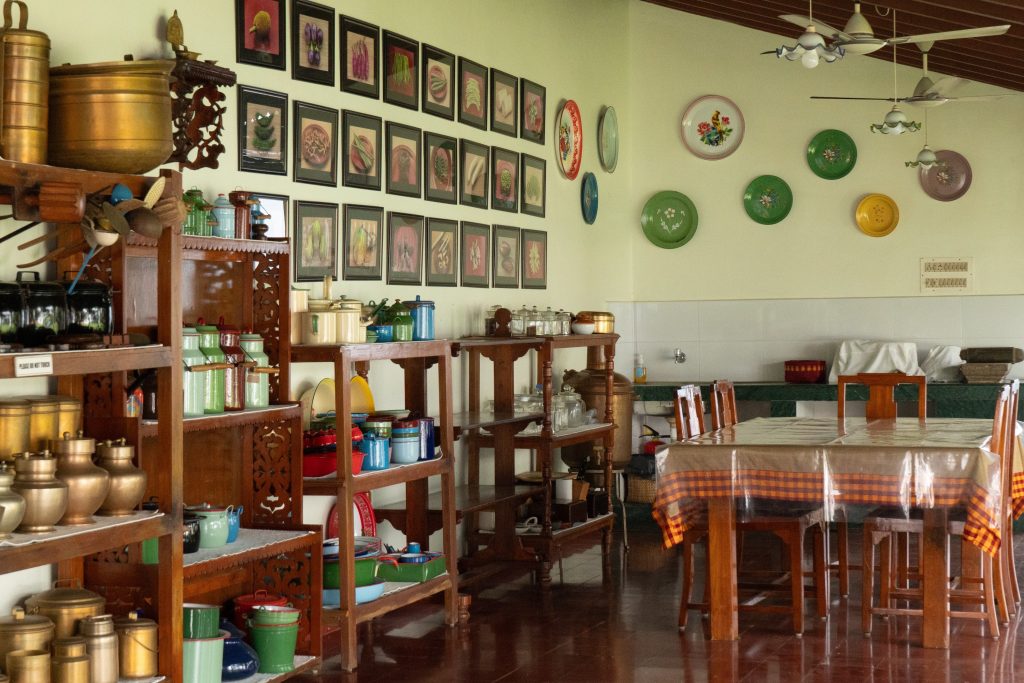
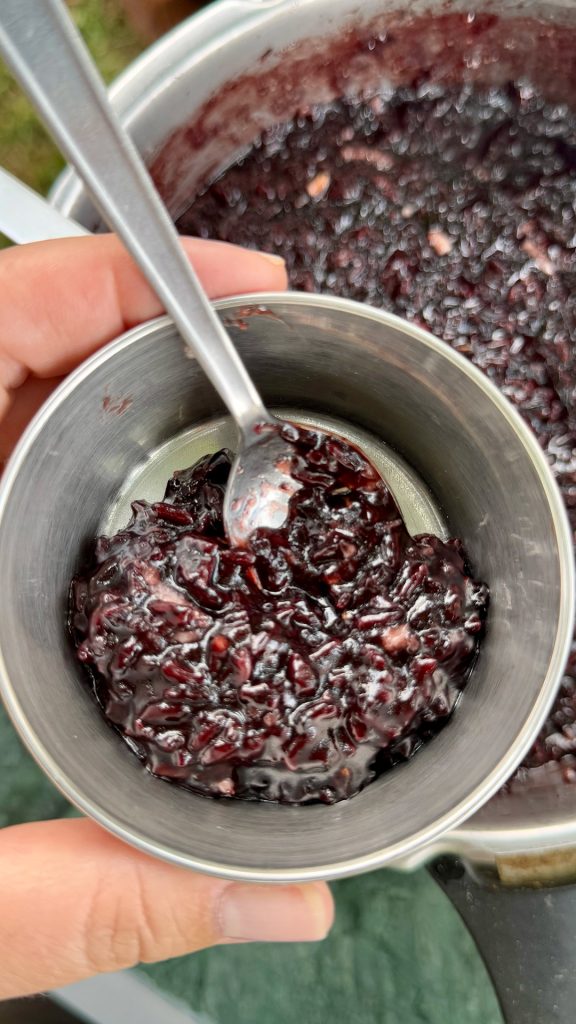
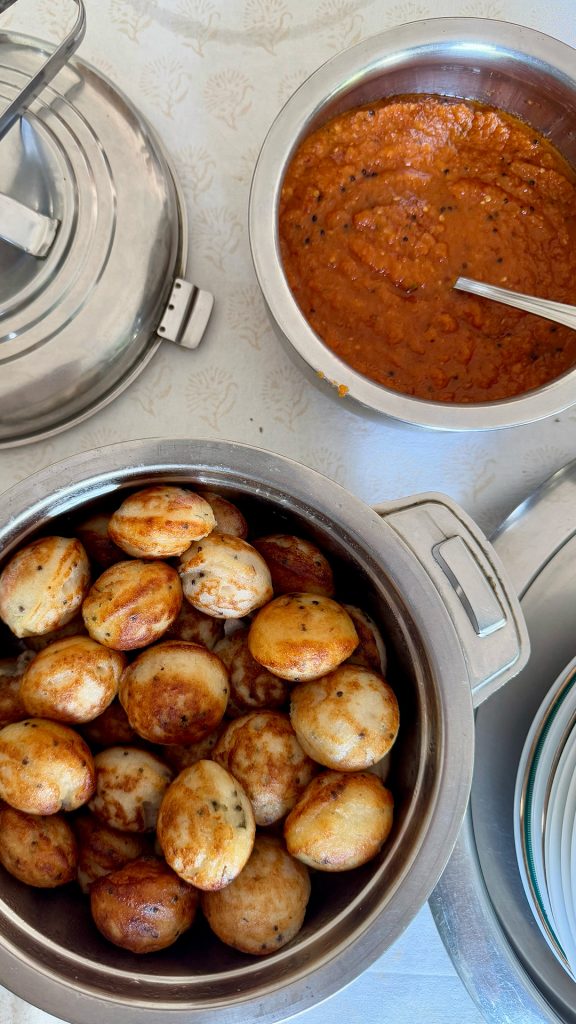
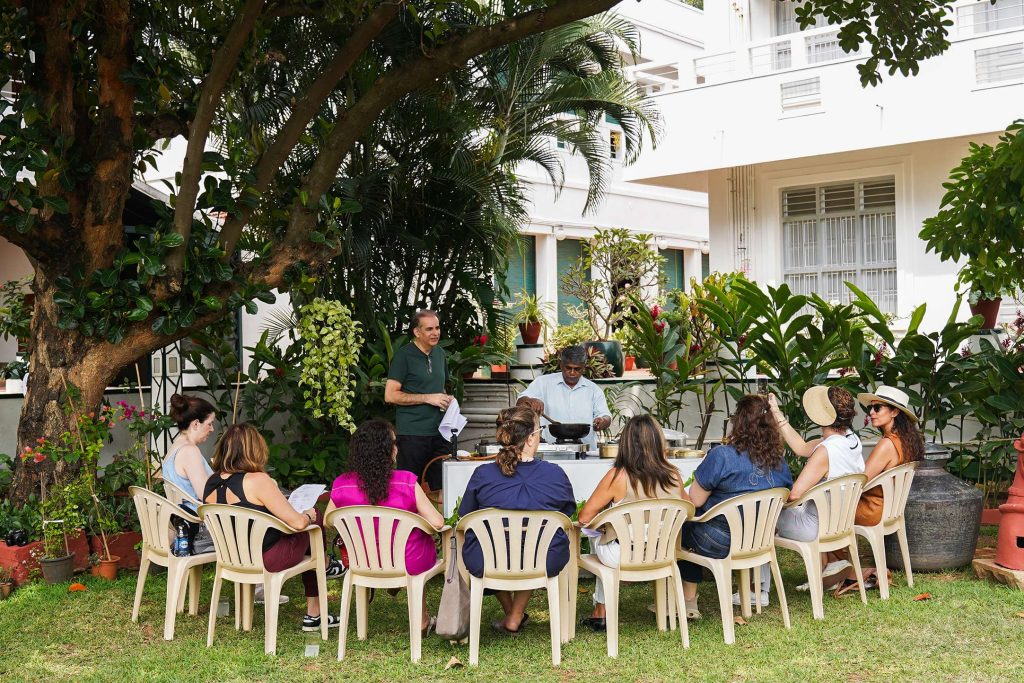
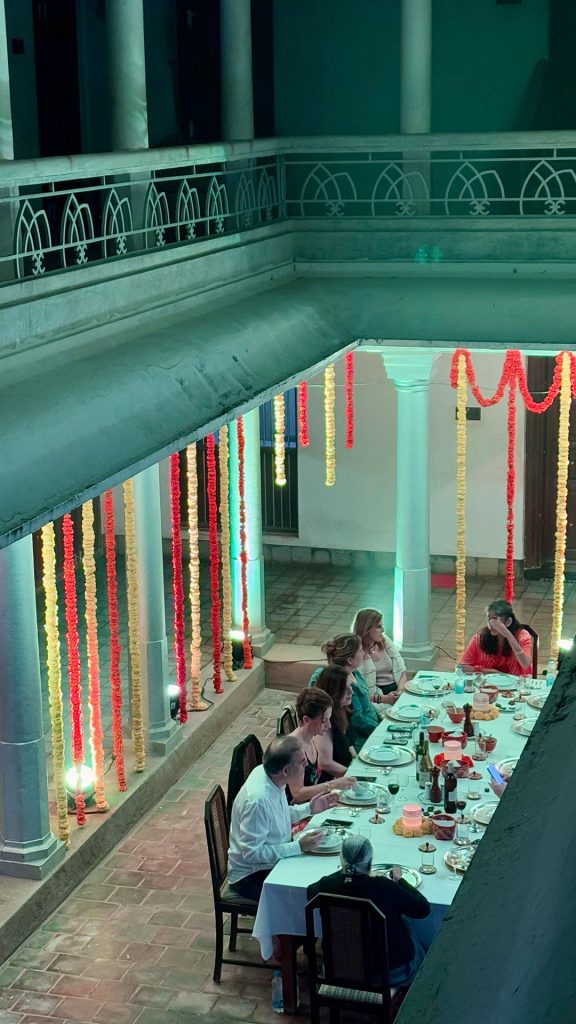
Each morning at the Bangala, classic Chettinad breakfast dishes were served: paniyaram – fried dumplings made from fermented rice and lentil batter and served with tomato and tamarind chutneys – and Chettinad kavuni arisi – black-rice pudding enriched with coconut and cardamom. Lunches unfolded beneath the sprawling jackfruit tree in the garden, where Sumeet demonstrated hallmark Chettinad recipes. A highlight was the defining Chettinad Chicken, a fiery curry layered with onions and coconut. One evening concluded with dinner under the pillared pavilion adjoining the garden, its walls lined with antiques from the local market – a trove of treasures salvaged from historic Chettinad homes. On another night, guests enjoyed dinner in the poolside pavilion, a serene setting that offered a different perspective on The Bangala’s historic charm.
The pinnacle of the stay was a lavish dinner hosted by Meenakshi Meyyapan at her family mansion, an intimate invitation extended to Cin Cin through her long-standing friendship with Sumeet. Guests stepped back in time to reimagine the opulence that once characterized Chettinad feasts. Among the many dishes served were Chettinad paya (goat trotter soup) and richly spiced Chettinad mutton chops.
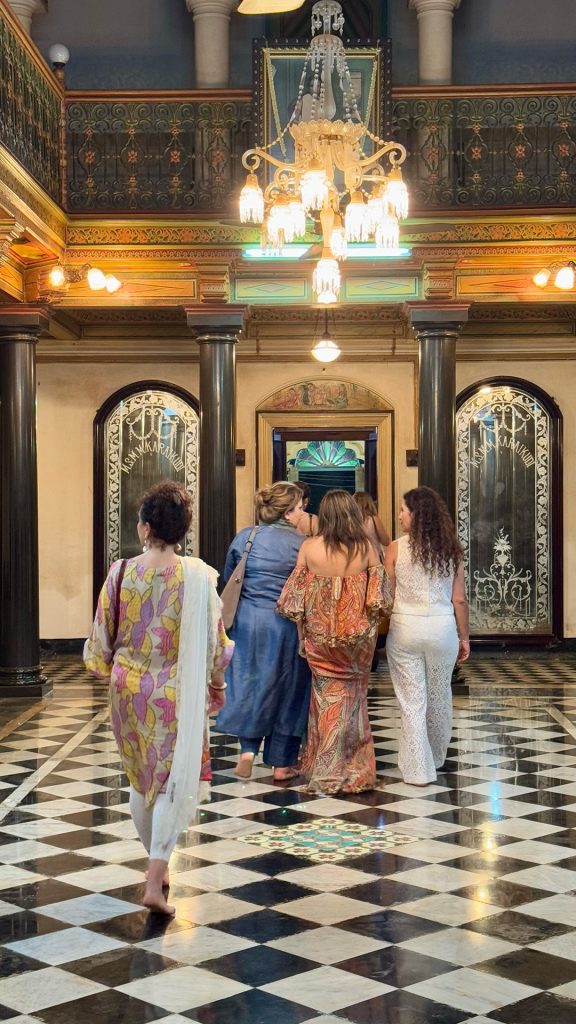
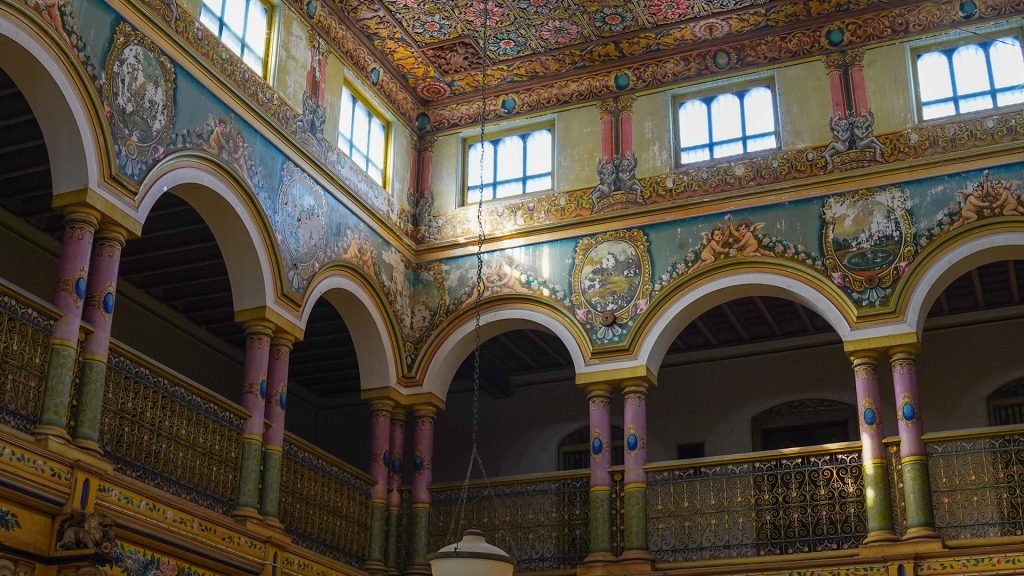
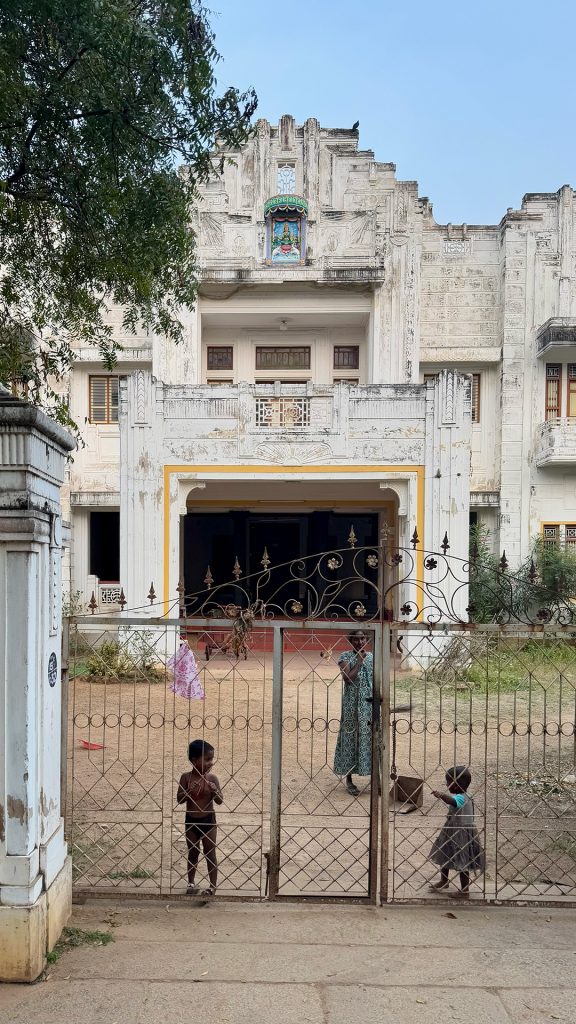
At the height of their prosperity in the late 19th century, the Chettiars amassed immense wealth through trade and built more than 1,000 architecturally sophisticated mansions across Tamil Nadu. Under British rule, however, competition from British traders pushed the community into new ventures, and they became moneylenders in British-ruled Southeast Asia, filling a gap left by risk-averse colonial banks. When WWII disrupted these networks, their financial activities sharply declined, and many were forced to leave their overseas settlements. Their once-magnificent mansions, symbols of status and success, fell into disrepair, and many now stand abandoned. Meenakshi is among the most dedicated advocates for their restoration. Her own ancestral home is a 150-year-old masterpiece of Chettinad architecture.
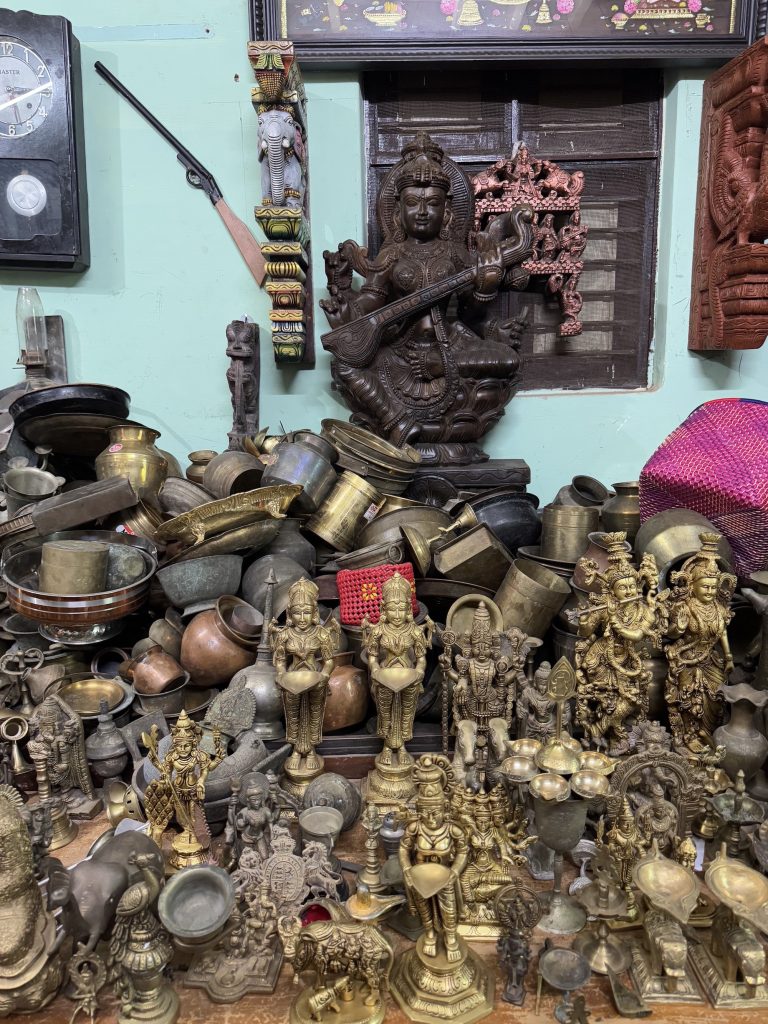
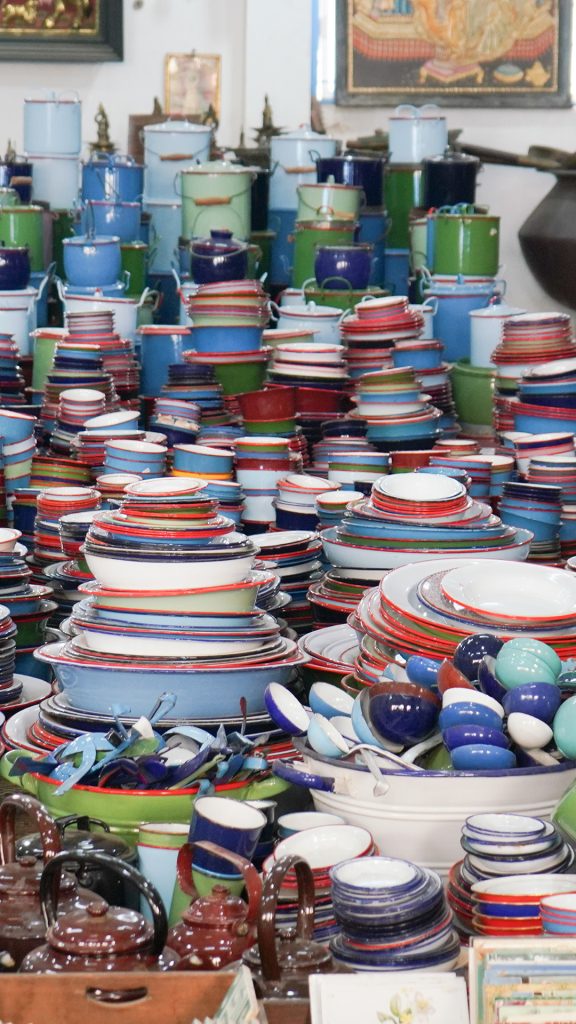
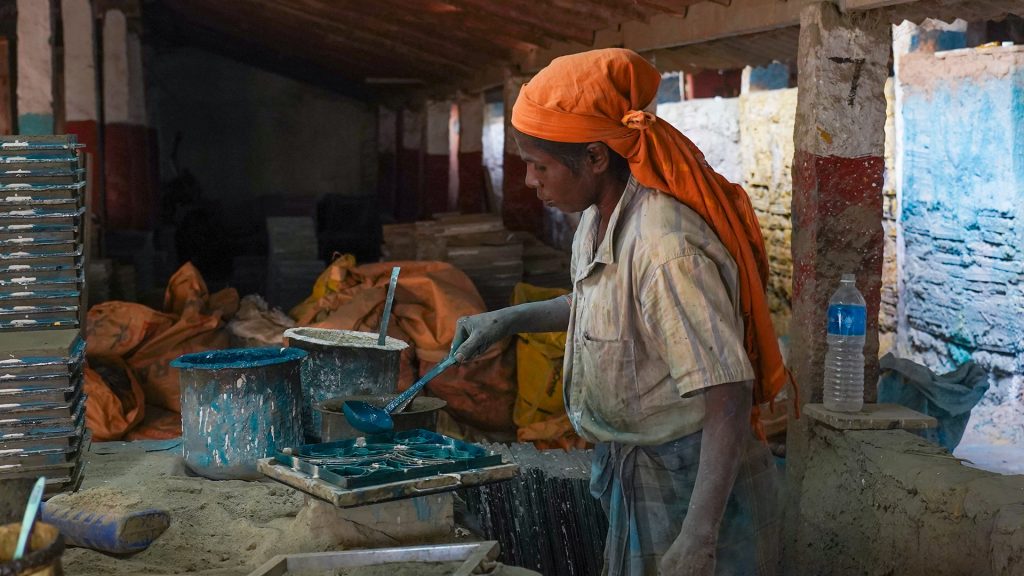
Cin Cin’s time in Chettinad also included a morning exploring the Karaikudi antique market and a visit to an Athangudi tile factory to witness the production of the handmade tiles once favoured for Chettiar mansions. By looking beyond the cuisine and engaging deeply with the community’s history, craft, and legacy, Cin Cin left Chettinad with a profound appreciation for the richness of Chettiar heritage.