
A Taste of Piedmont
Words by Ruba
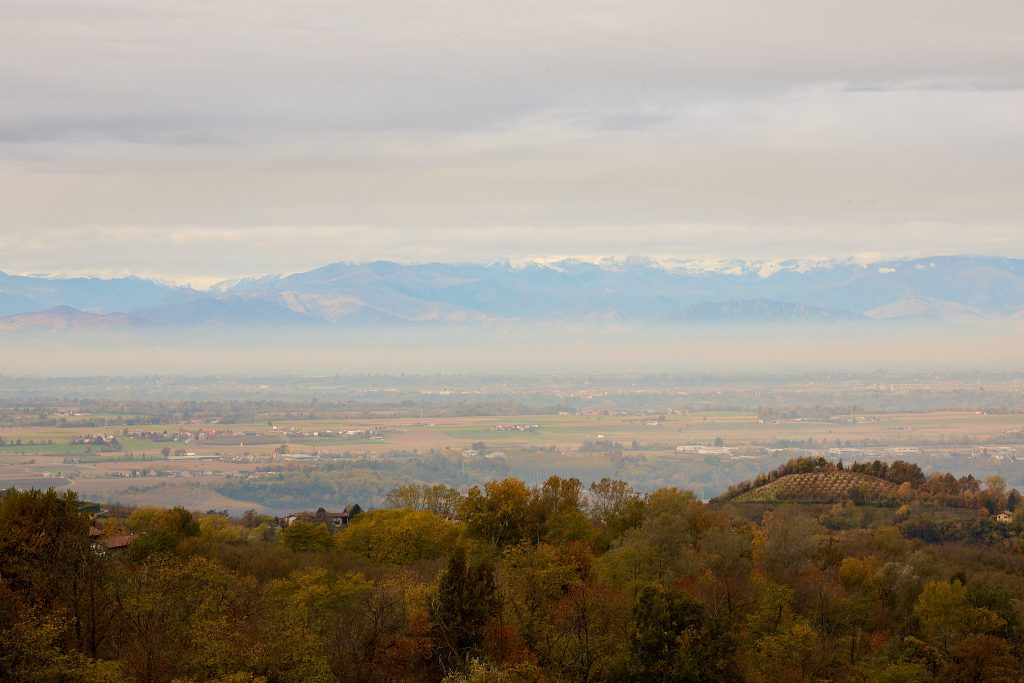
October 2025
This fall, Cin Cin curated an intimate culinary journey through Piedmont, a region whose gastronomy bears the imprint of the House of Savoy’s centuries-long reign. Their influence ushered in a French-influenced, recipe-centric culinary tradition defined by elaborate preparations and refinement.

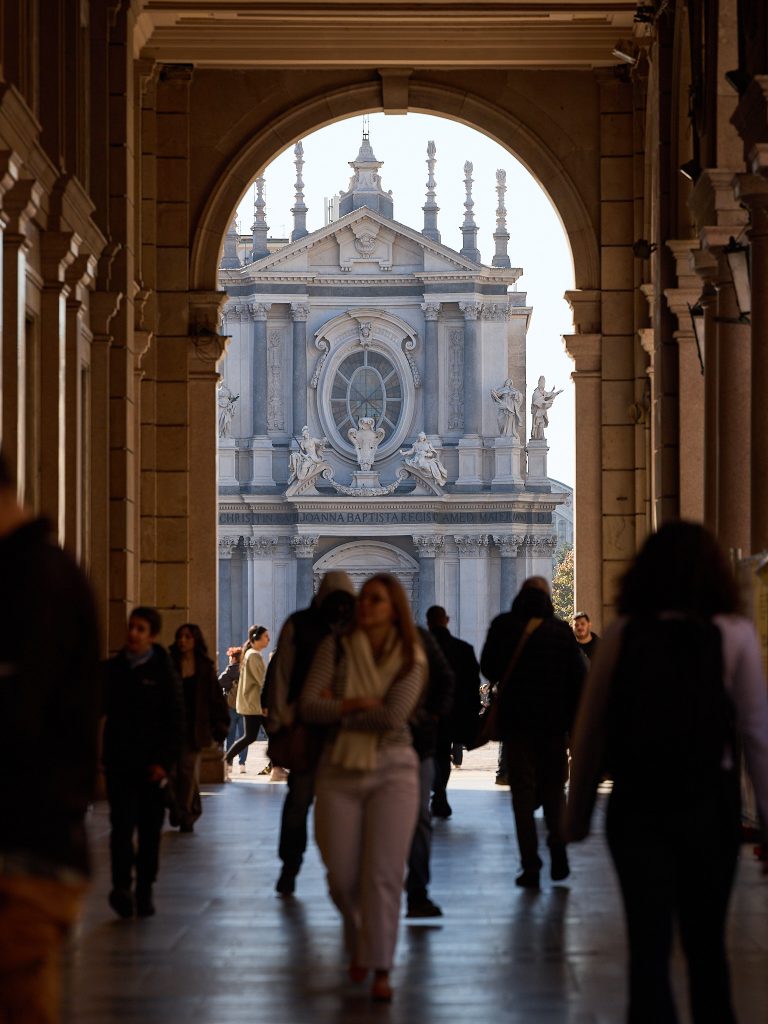
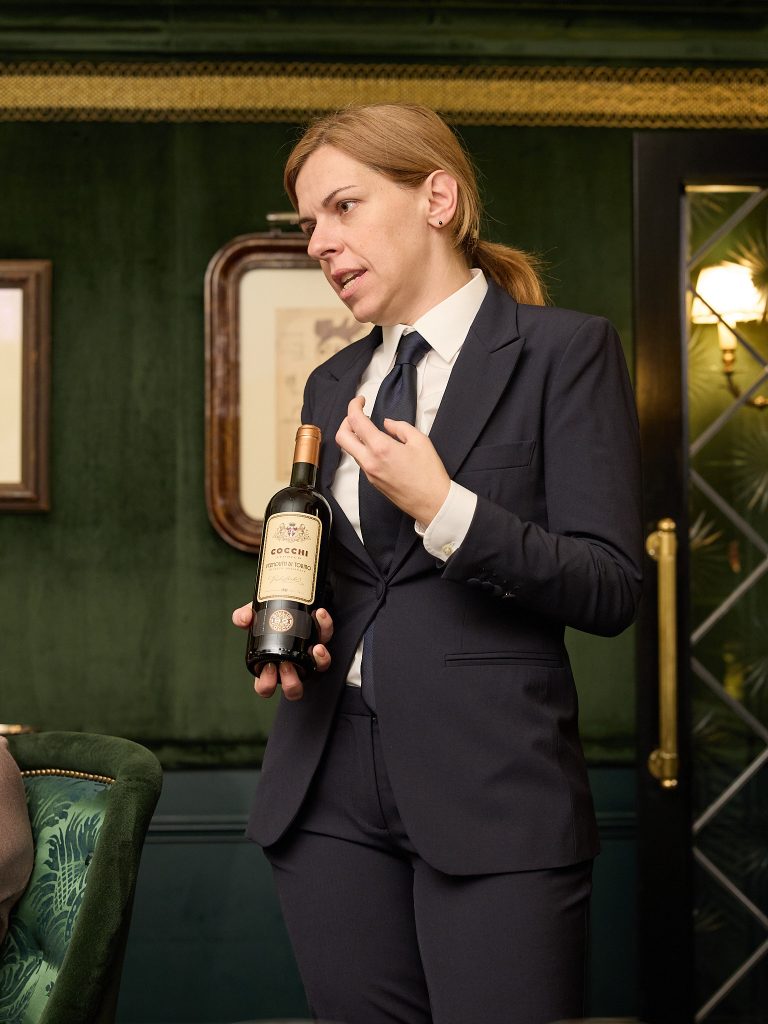
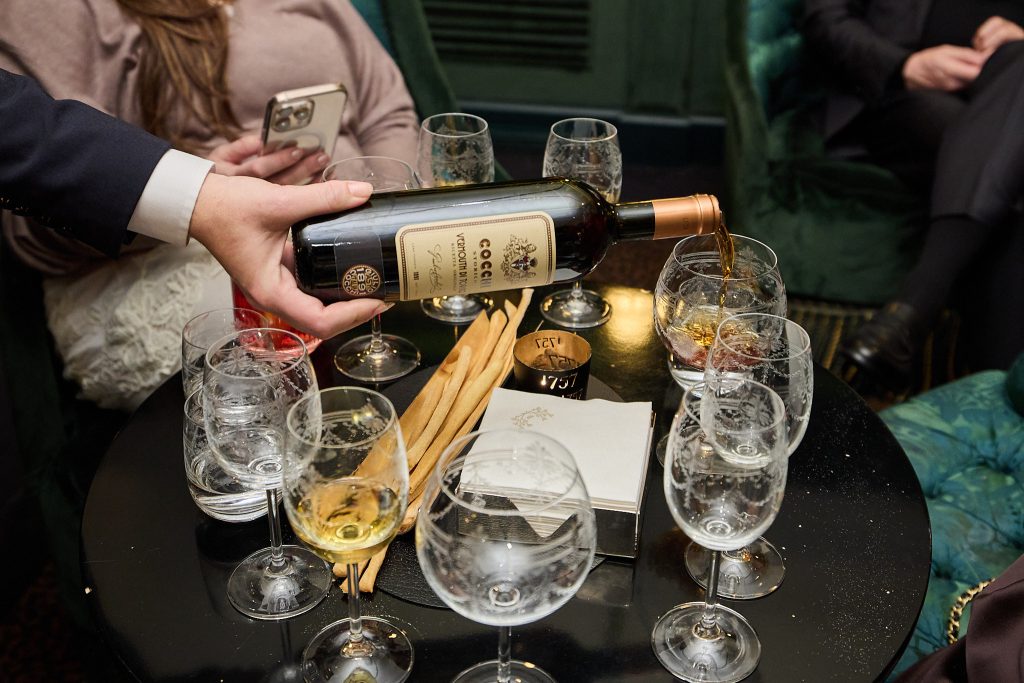
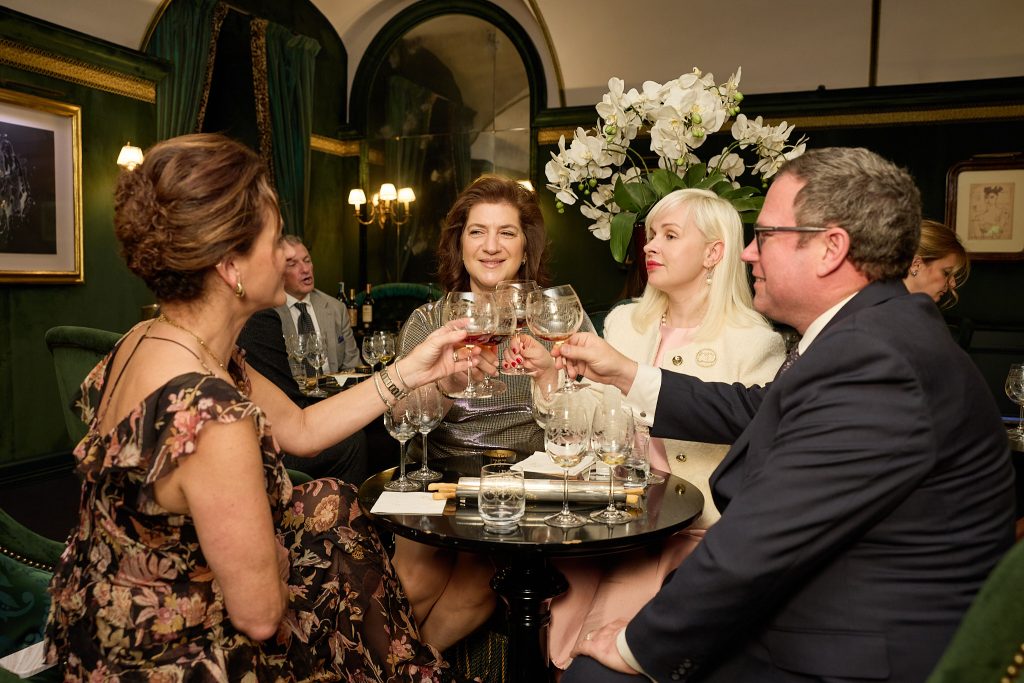
In Turin, amid the Baroque splendour of grand avenues and arcaded piazzas, we explored the city’s rich and deep-rooted culinary heritage. A private vermouth masterclass at the elegant Bar Cavour, in the very city were vermouth was first invented, affirmed Turin’s status as Italy’s aperitivo capital. Dinner at Del Cambio, the city’s oldest restaurant, unfolded beneath 19th-century frescoes and gilded boiseires, featuring a memorable dish of milk ravioli with Swiss chard and fresh shavings of Alba white truffle. A private performance by tenor Simone Mugnaini crowned the magical evening.
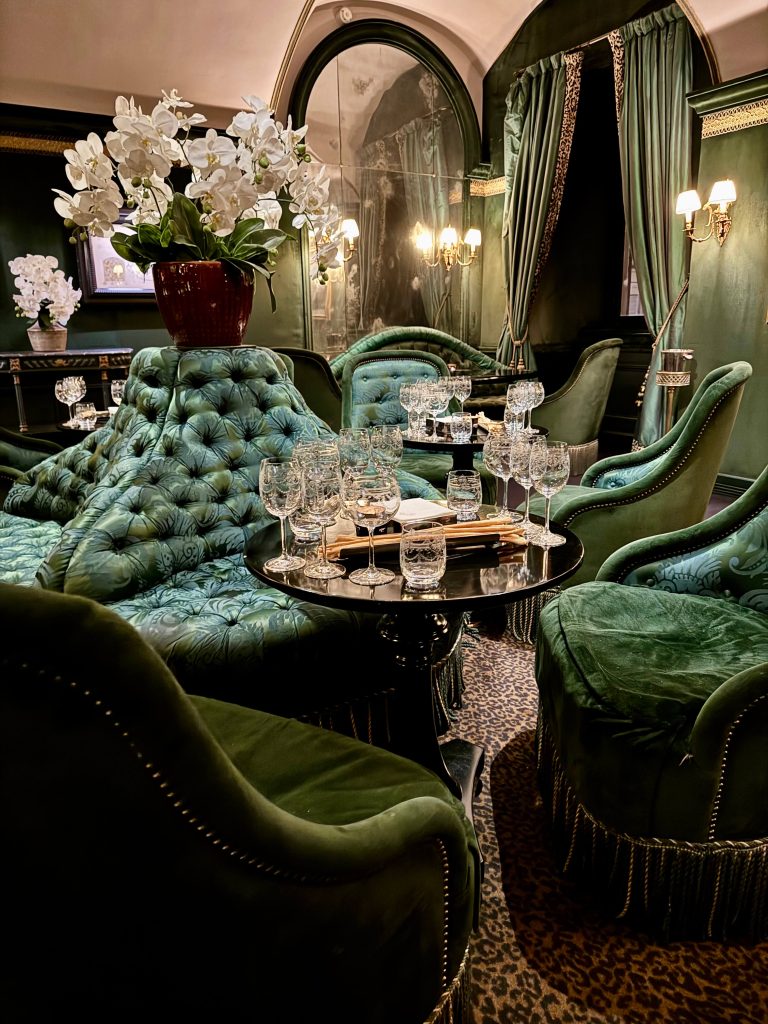
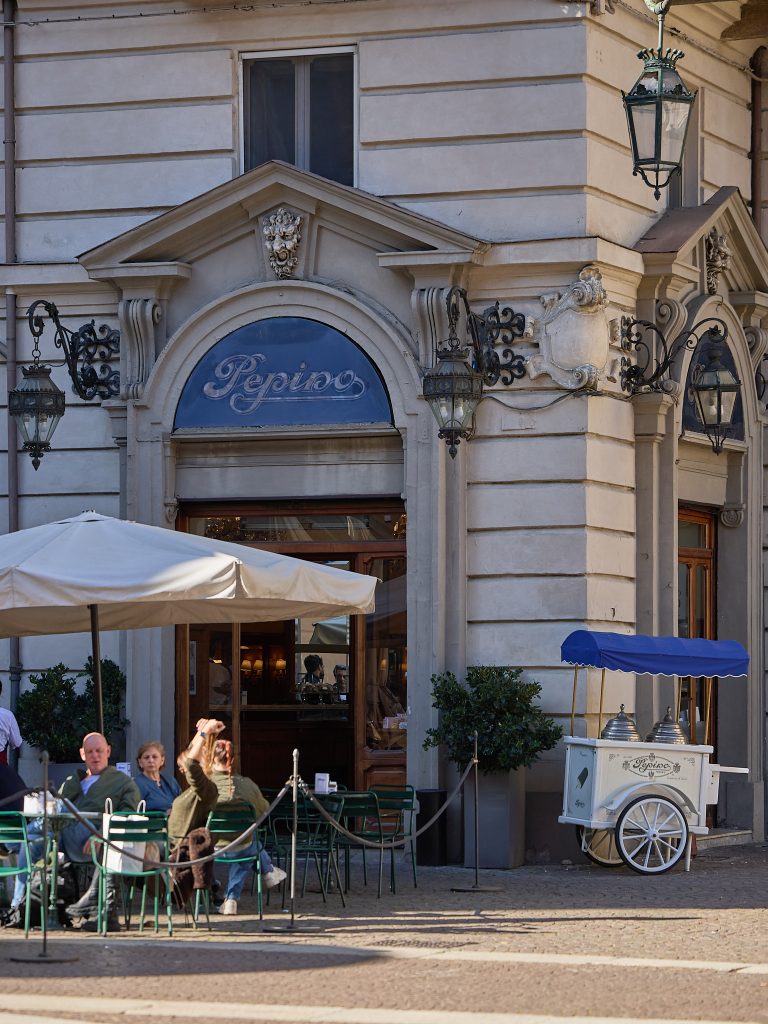
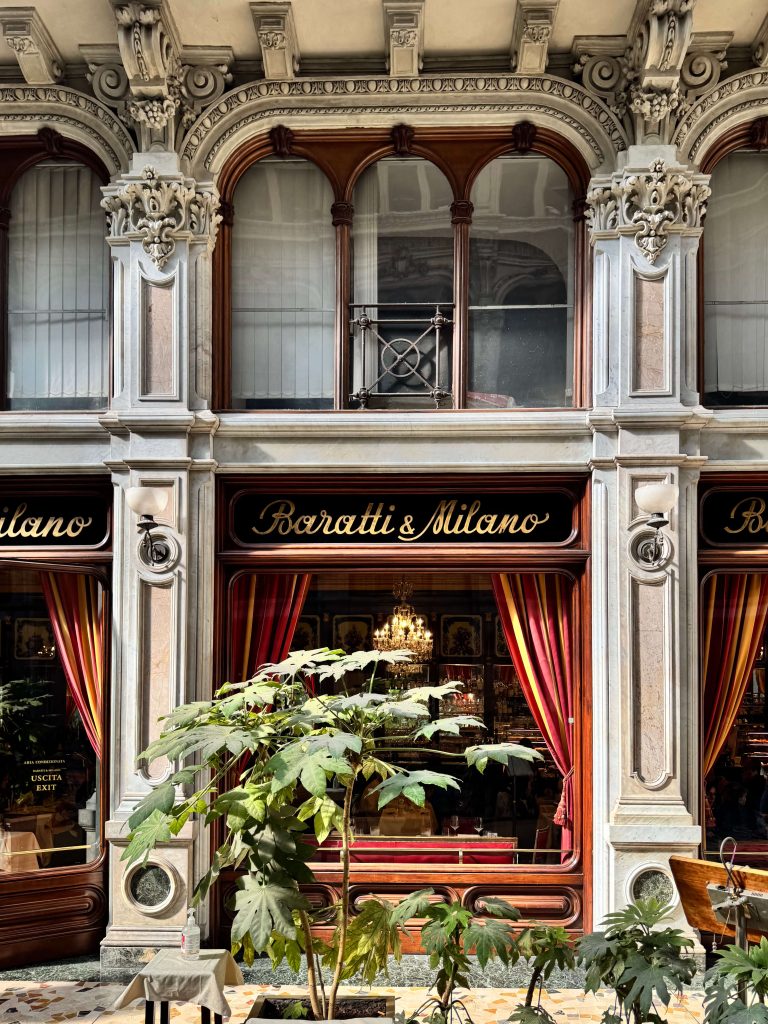
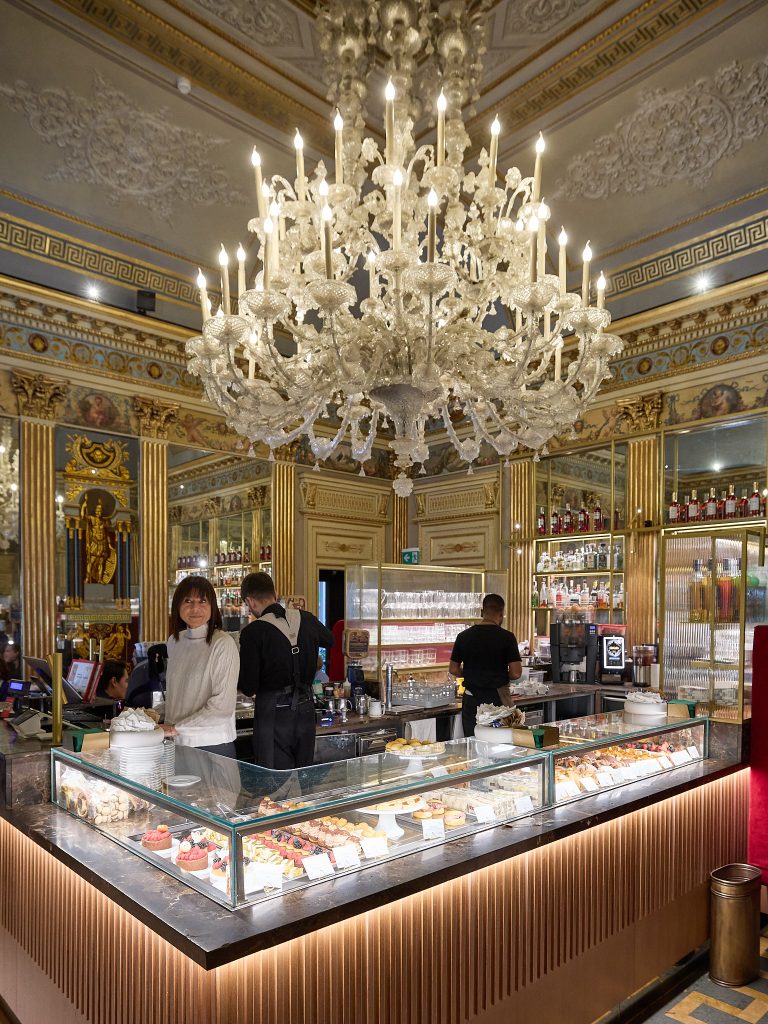
Turin’s historic café tradition came to life with Edoardo Cavagnino, President of the Historic Cafés of Turin Association. We enjoyed a lavish breakfast amid the opulent interiors of Caffè San Carlo, visited his family’s Caffè Pepino – birthplace of the original chocolate-coated gelato on a stick—admired Stratta’s exquisite jewel-like confections, and lunched on Agnolotti del Plin – a classic Piedmontese meat-filled pasta – beneath the Belle Époque splendour of Baratti & Milano.
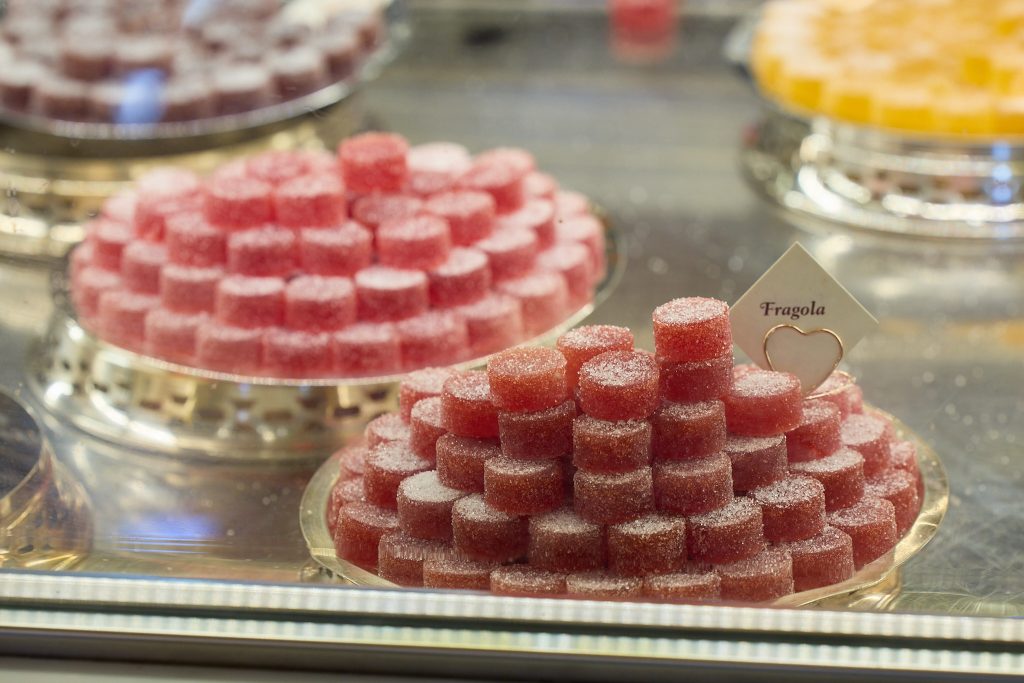
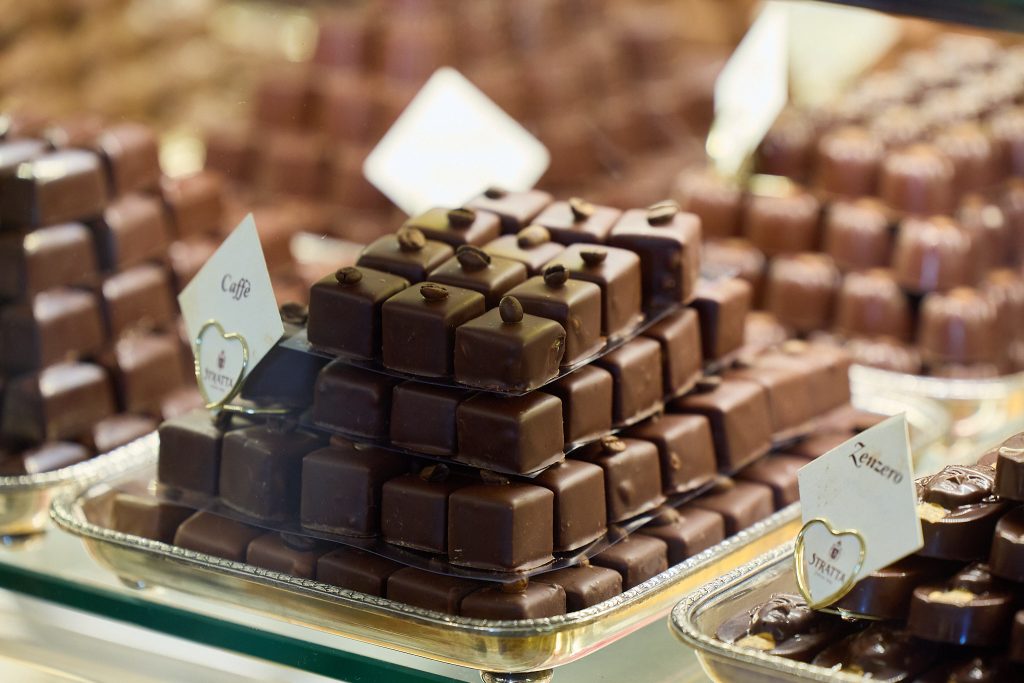
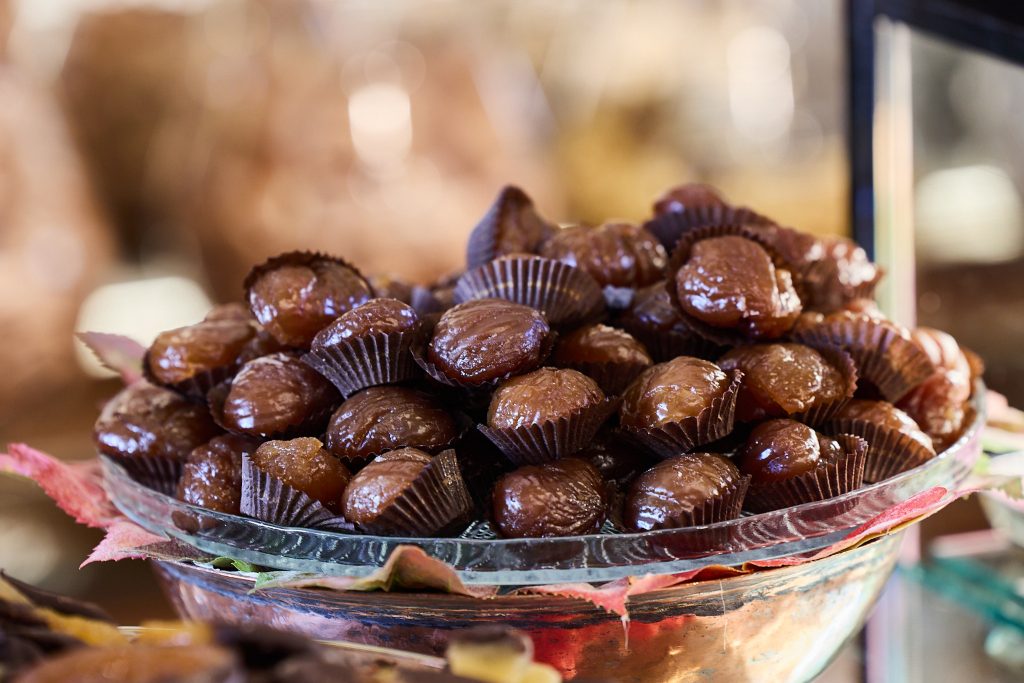
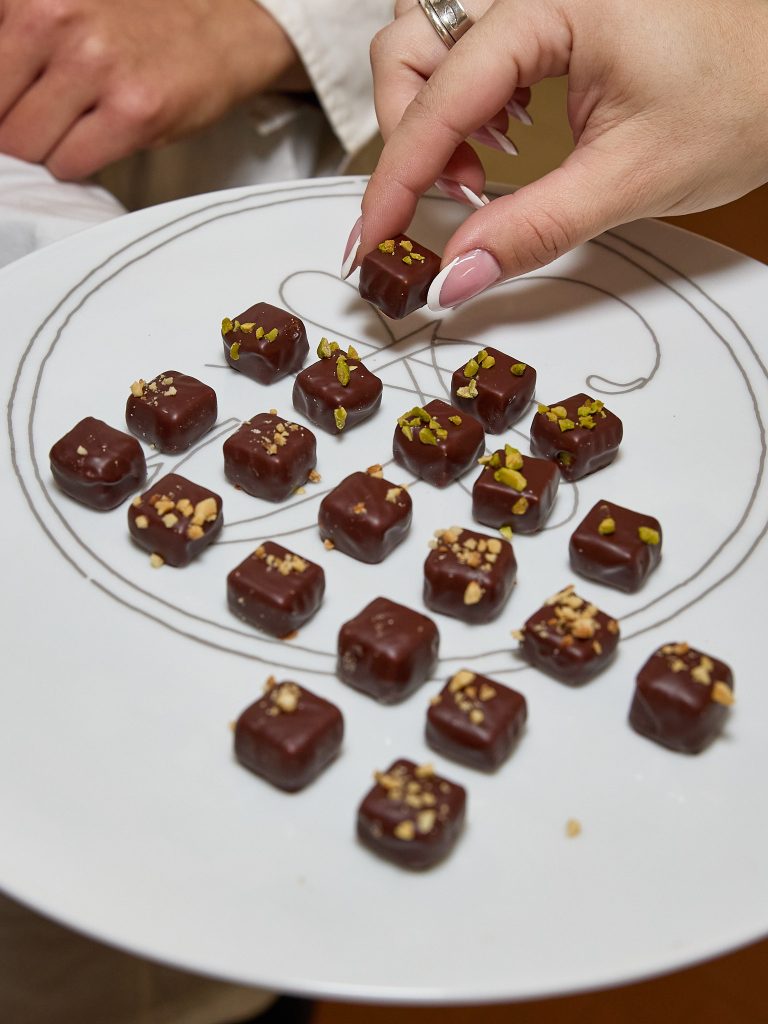
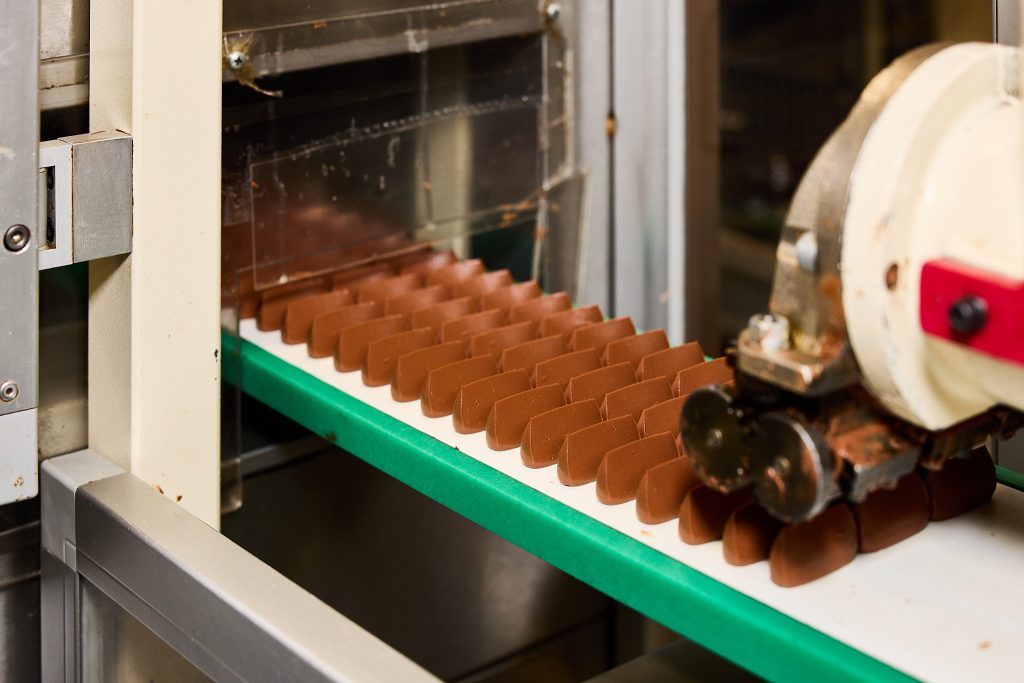
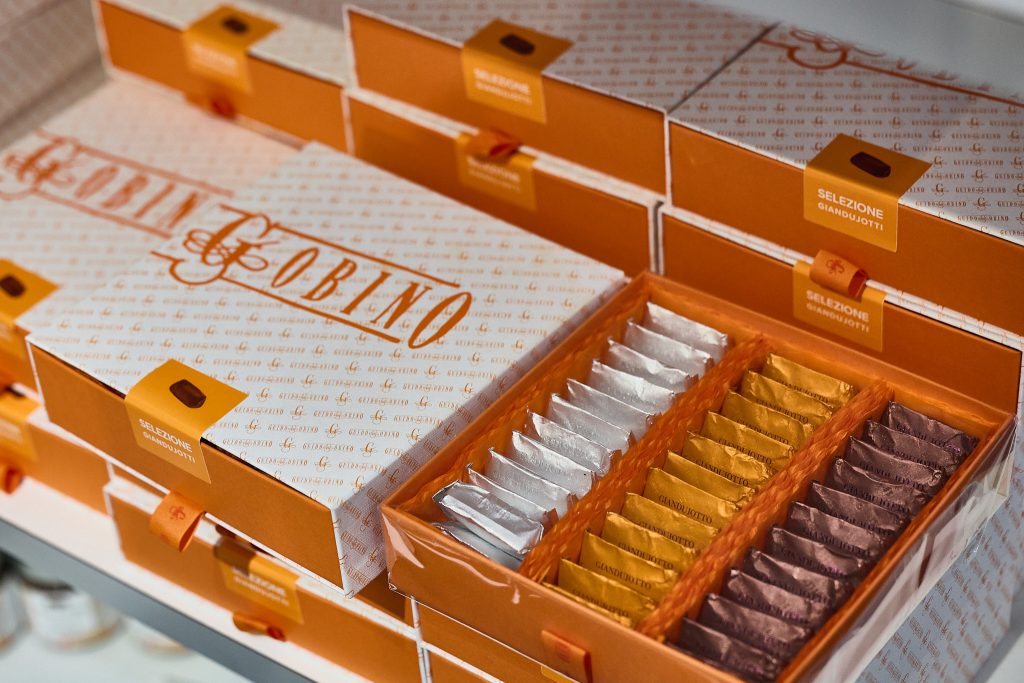
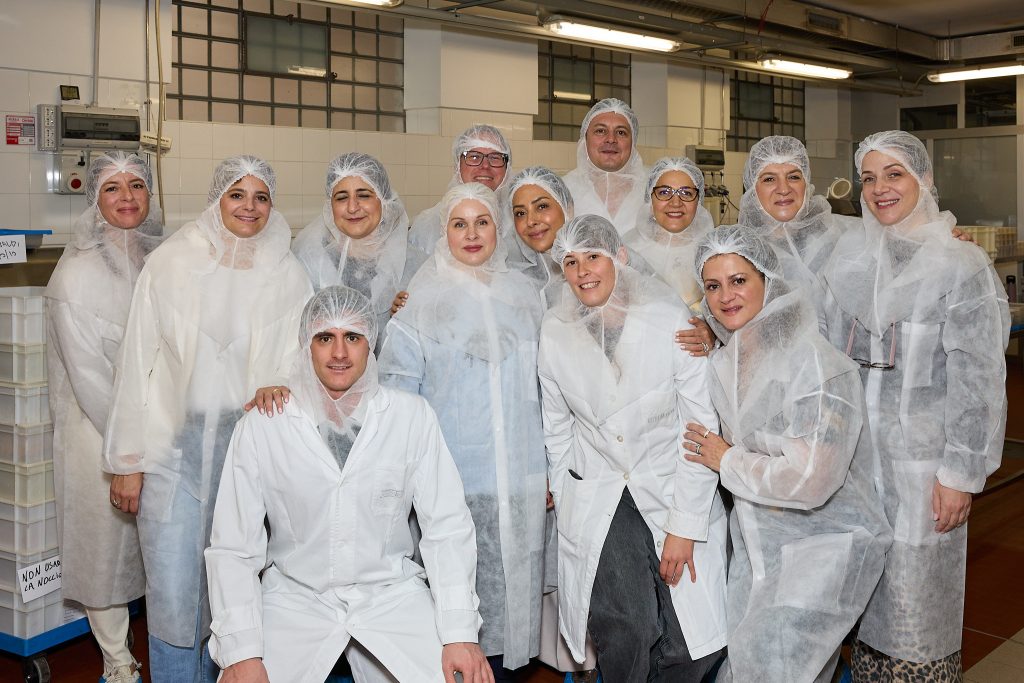
Turin’s history as a center for chocolate dates to the mid-16th century, when Duke of Savoy Emanuele Filiberto introduced cacao, procured from the New World, during celebrations honouring Turin as the first capital of a unified Italy. Drawing on this history, Cin Cin’s private bean-to-bar experience with Pietro Gobino at the world-renowned Guido Gobino offered an in-depth look at the city’s revered chocolate craftsmanship. As we toured the production facility, we savoured the house’s celebrated creations along the way, from their award-winning Cremino al Sale – a silken blend of chocolate, sea salt and olive oil – to watching in delight as Giandujotto, the city’s emblematic hazelnut chocolate, came to life before our eyes.
Cin Cin then travelled into the Langhe, a landscape of medieval hilltop towns, castles, and centuries-old vineyards—the birthplace of Barolo, Barbaresco and the coveted Alba white truffle.
In Barbaresco, an exclusive visit to the Gaja winery offered a rare glimpse into one of Italy’s most iconic estates. Founded over 160 years ago, Gaja has shaped modern Italian wine, particularly through Angelo Gaja’s pioneering work in the 1970s and 80s. Cin Cin arranged a rare, personal meeting with Angelo himself – his insight, presence and infectious charisma made the experience unforgettable. The visit concluded with a tasting of wines personally selected for us by the Gaja family.

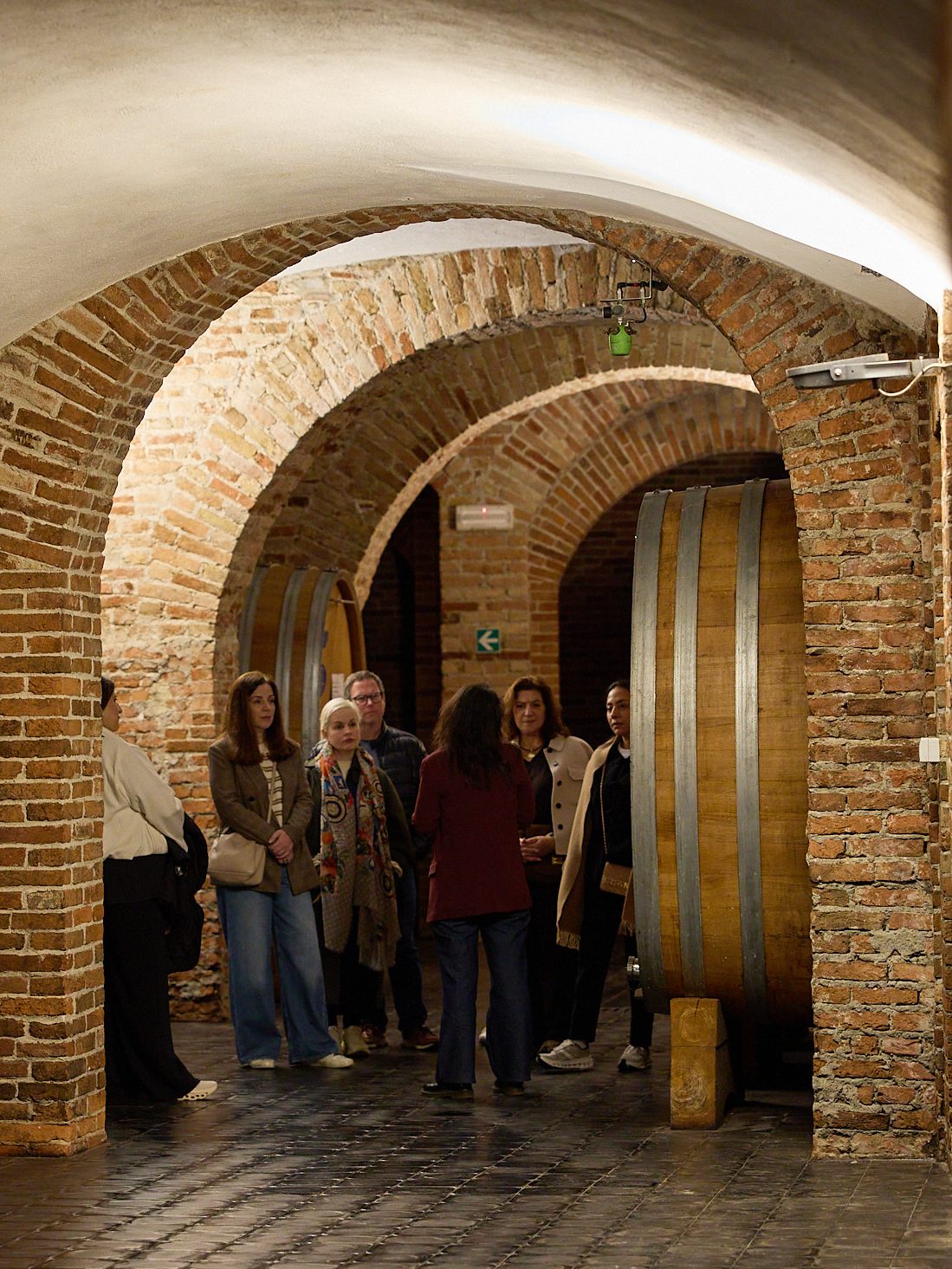
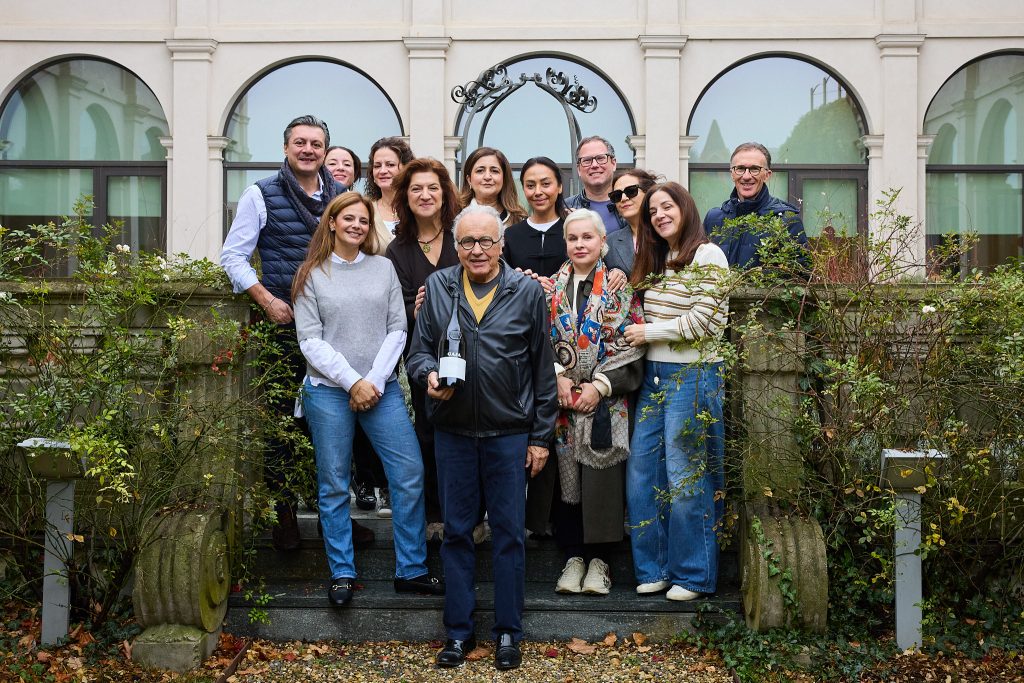
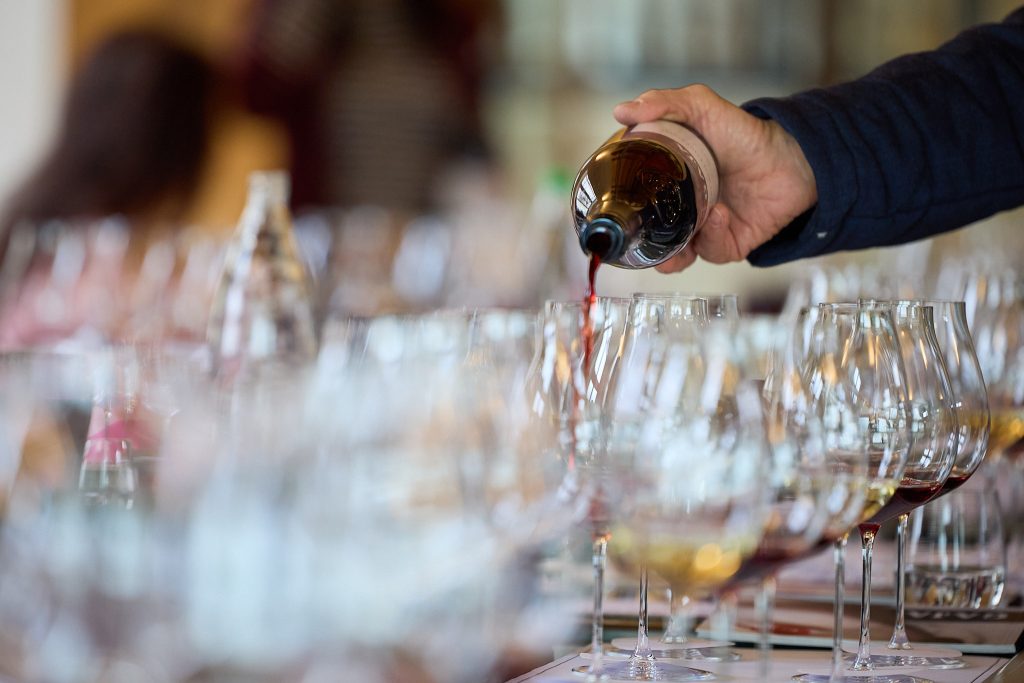
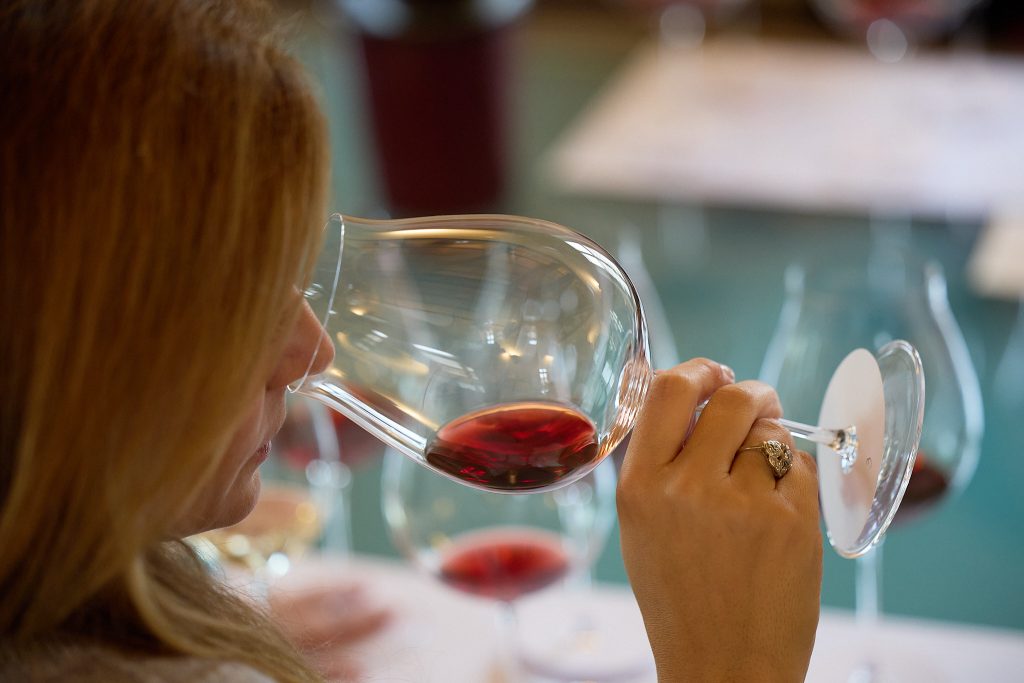

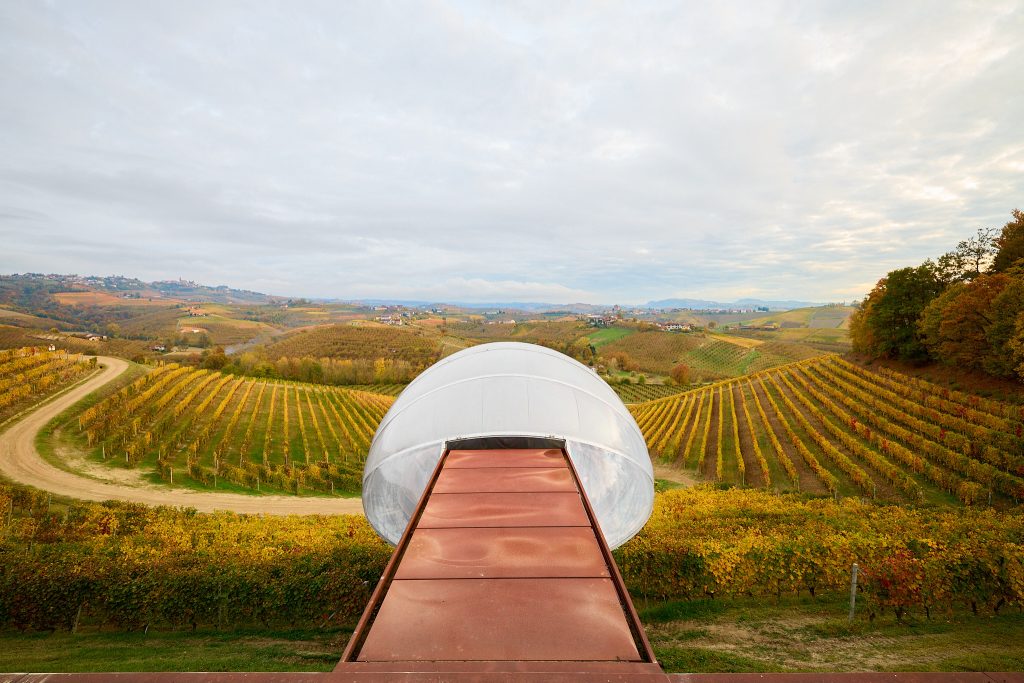
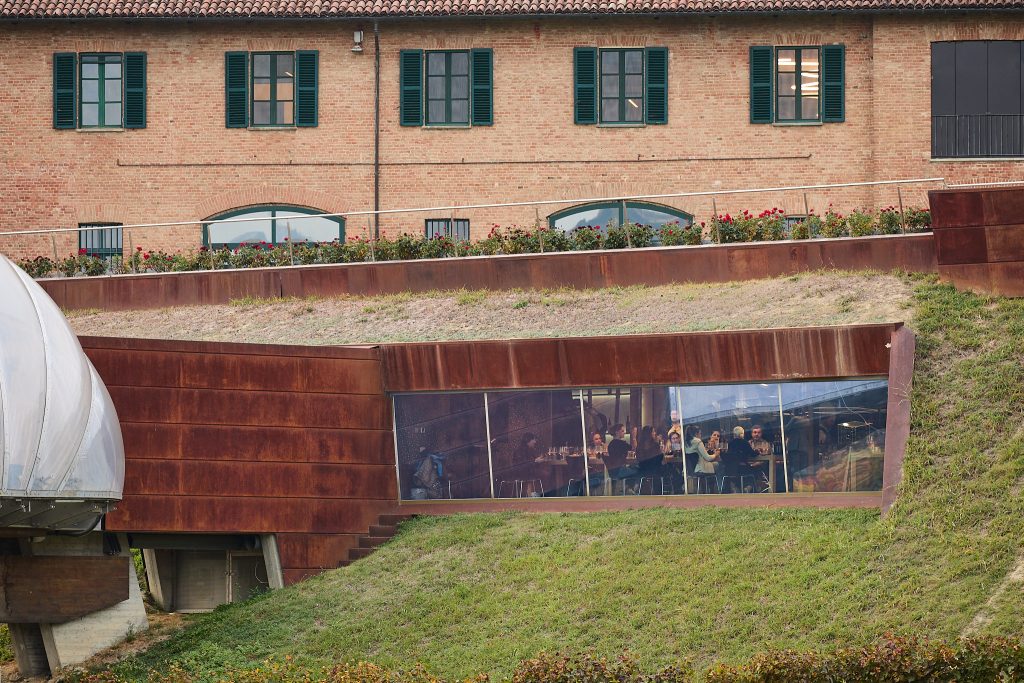
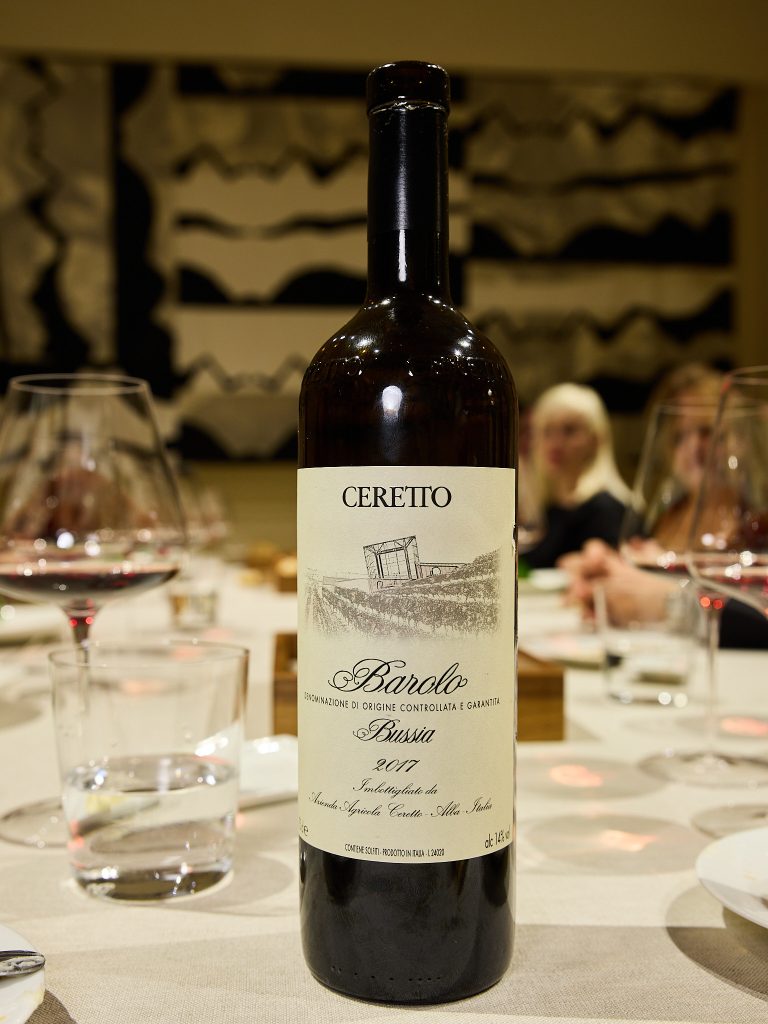
Another remarkable winery on our itinerary was Ceretto, founded in 1937 and renowned not only for its wines but for its embrace of contemporary art. The Grape, their striking transparent viewing platform suspended over the vineyards, transformed the surrounding landscape into a living artwork. A private vertical tasting of six wines across three vintages allowed us to experience Barolo and Barbaresco side by side and appreciate the family’s legacy of crafting wines that balance tradition, precision and elegance.
A private truffle hunt in Serrandenari was led by certified truffle hunter Francesca Giacosa and her dog specially trained dog Coco. We searched the forest that faces the Alps on one side and the rolling Langhe hills on the other, sharing the quiet thrill each time a truffle was unearthed. Long before it became a global delicacy, Alba’s white truffle was already treasured in Piedmont, its history stretching back to the Middle Ages and Renaissance. But it was Giacomo Morra who, in the 1930s, transformed this regional treasure into an international icon, championing it at his restaurant and gifting it to notable figures such as Marilyn Monroe and Winston Churchill.
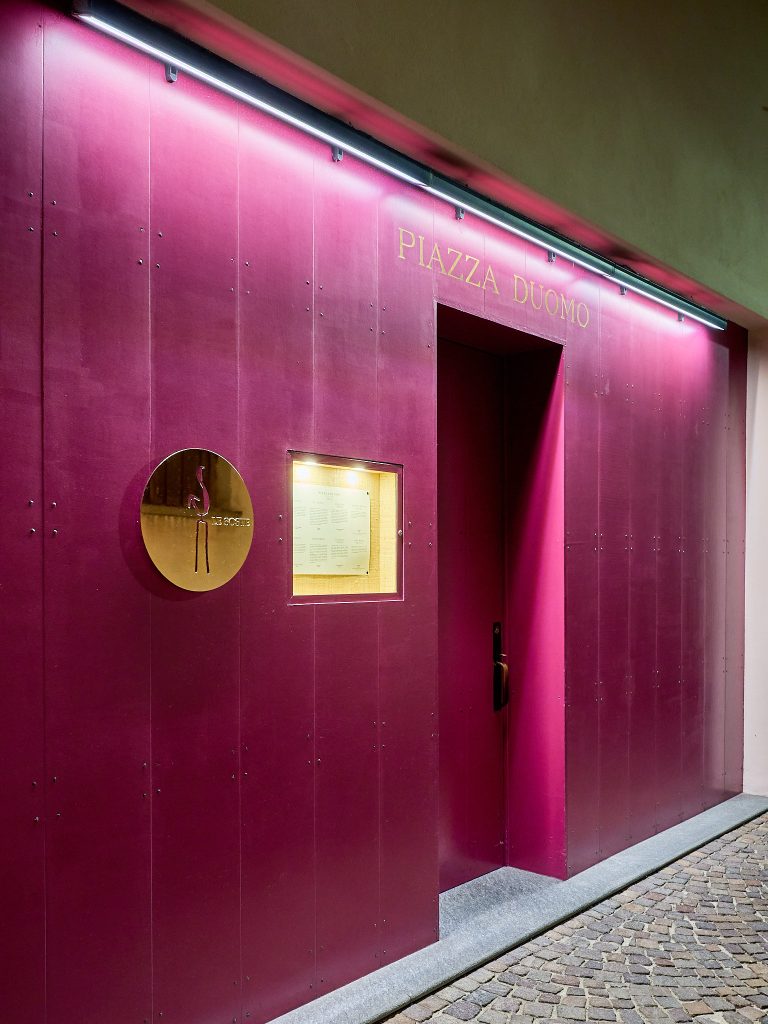
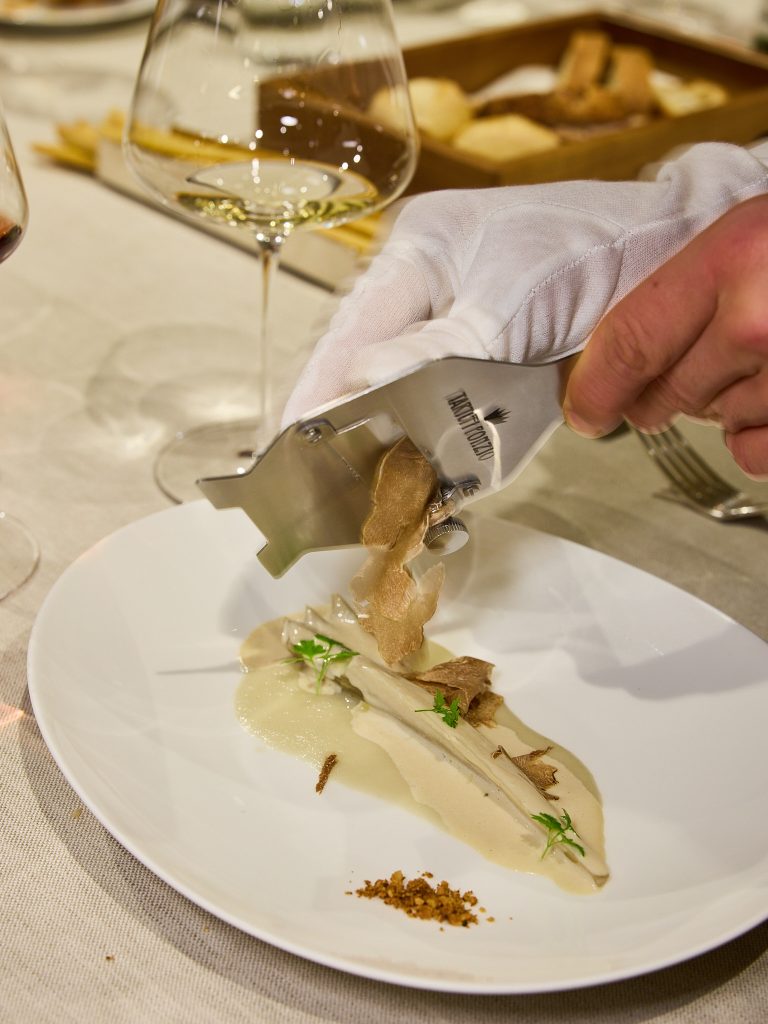
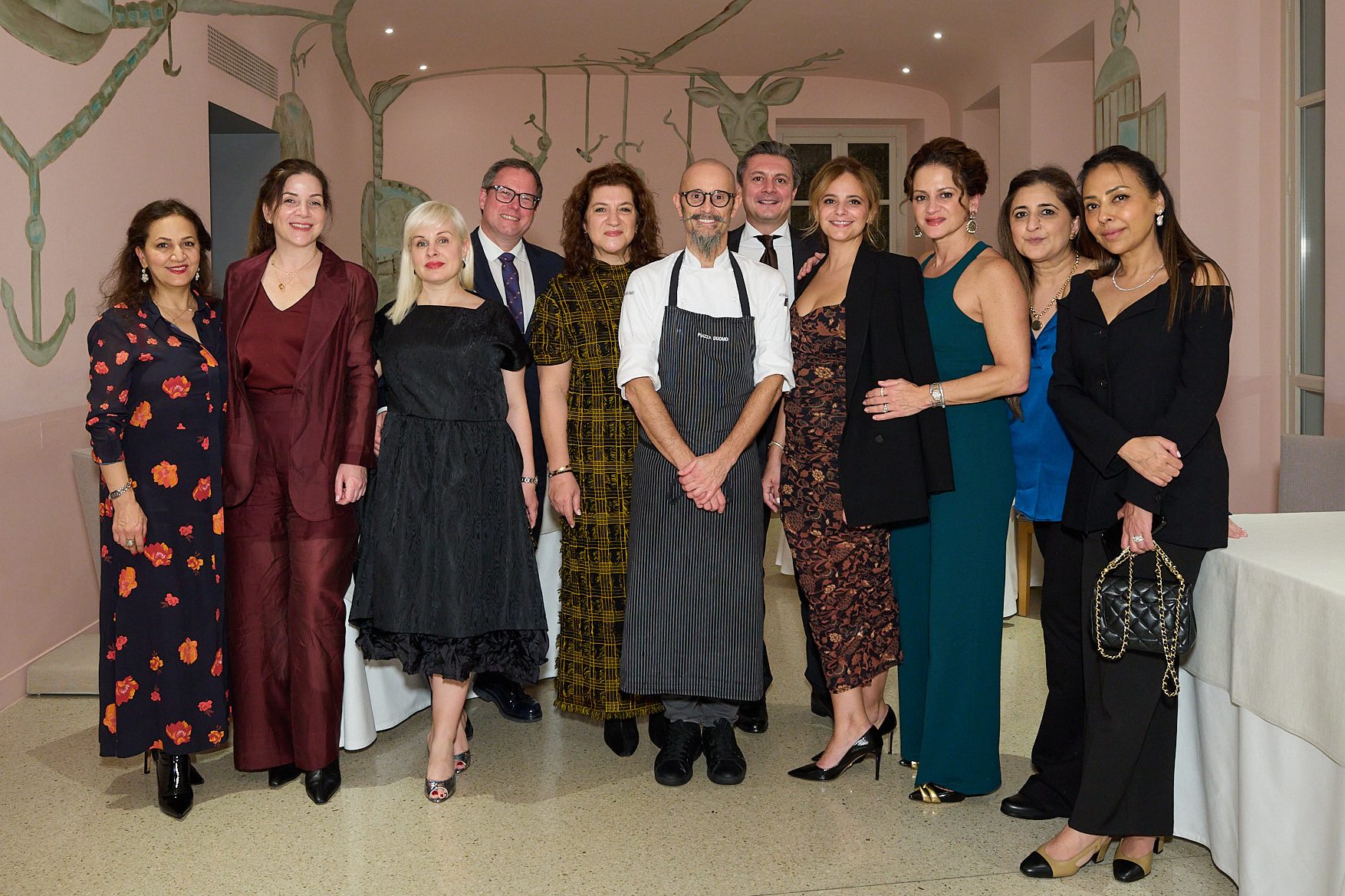
The Alba white truffle remains the crown jewel of Piedmontese cuisine – an intensely aromatic gourmet rarity found nowhere else in the world and in season only for a short period each year. Naturally, white truffle featured in many of our meals, culminating in a farewell dinner at the three-Michelin-starred Piazza Duomo in Alba, where Chef Enrico Crippa’s six-course menu included one course that offered an extraordinary tribute to the region. The dish featured cardoon, a traditional Piedmontese autumn vegetable, presented with cardoon cream and an anchovy sauce – a nod to one of Piedmont’s most emblematic ingredients, introduced centuries ago by Ligurian merchants who carried salted anchovies over the Alps, allowing the landlocked region to adopt them into its culinary tradition – alongside roasted Piedmont hazelnut and topped with shaved white truffle.
The journey wove together history, culture, and world-class gastronomy into an experience that felt both intimate and expansive. To meet the region through its custodians – its winemakers, chocolatiers, truffle hunters, farmers, and chefs – was a rare privilege, deepening our appreciation for a heritage and culinary identity that remain among the most remarkable in the world.